By Cindy Raney | Cindy Raney & Team
Whether you've been in your Westport Colonial for 15 years and are finally ready to make it truly yours or you're preparing a New Canaan antique home for the market, the renovation decisions you make will shape everything that follows.
Homes throughout Fairfield County carry their own particular character: the locally sourced fieldstone foundations of Greenwich estates, the cedar-shingled Victorians lining Southport Harbor, and the gracious additions that sprawling Wilton properties have accumulated over decades. That character is part of the appeal. But it also means that renovating here requires sharper focus than a newer home in a newer market might demand.
The homeowners and sellers who navigate renovations most successfully in this area share a common trait: they do their homework before the first nail goes in. They understand their home's history, they know which upgrades will hold their value and which won't, and they ask integral questions before a contractor is on-site. If you're approaching a renovation project in Fairfield County, whether for your own enjoyment or to prepare your property for listing, our guide below reflects what experienced homeowners here wish they had known from the start.
This isn't about discouraging ambition. Thoughtfully renovated homes in this market perform extraordinarily well, and the right updates can transform both how a space feels to live in and what it commands on the open market. It's about going in with your eyes open so that the process is rewarding rather than costly.
Key Takeaways
- Historic and antique homes throughout Fairfield County may be subject to local preservation restrictions that affect exterior changes, additions, and material choices.
- Major mechanical systems, including electrical, HVAC, and plumbing, are often the highest-stakes items to address before investing in cosmetic upgrades.
- Homes with additions or expansions warrant extra scrutiny around permits, flow, and whether mechanical systems were properly extended to support the added square footage.
- Consistent detail and finishes throughout a home, from trim to flooring and cabinetry, signal quality to discerning buyers and affect long-term enjoyment for owners.
- Natural light and layout livability are among the most underestimated factors in renovation planning and resale value.
Antique and Historic Homes: What to Assess First
Fairfield County features a rich inventory of antique and historic properties, and they tend to attract buyers who appreciate the authenticity of wide-plank floors, original millwork, and the kind of artistic detail that simply isn't replicated today. But owning and renovating a historic home here comes with a layer of due diligence that newer construction does not require.
Before beginning any exterior project on an older home in Southport, Greenwich, or New Canaan, it's worth understanding whether local historic district regulations apply to your property. Many Fairfield County towns have historic preservation guidelines that govern exterior changes, including additions, window replacements, and even paint colors. What you envision as a straightforward update may require a variance, a board review, or a specific material approval. Being aware of these nuances early on prevents costly surprises mid-project.
Beyond aesthetics, the internal systems of antique homes deserve equally careful attention. Electrical panels in older homes are frequently undersized or outdated in ways that don't meet modern safety standards, and knob-and-tube or aluminum wiring is not uncommon in residences built before the mid-twentieth century. HVAC systems in these spaces often reflect decades of patchwork solutions rather than a cohesive design. Addressing these systems before spending money on a kitchen refresh or a primary suite renovation is not just practical; it's the kind of decision that protects your investment.
Before beginning any exterior project on an older home in Southport, Greenwich, or New Canaan, it's worth understanding whether local historic district regulations apply to your property. Many Fairfield County towns have historic preservation guidelines that govern exterior changes, including additions, window replacements, and even paint colors. What you envision as a straightforward update may require a variance, a board review, or a specific material approval. Being aware of these nuances early on prevents costly surprises mid-project.
Beyond aesthetics, the internal systems of antique homes deserve equally careful attention. Electrical panels in older homes are frequently undersized or outdated in ways that don't meet modern safety standards, and knob-and-tube or aluminum wiring is not uncommon in residences built before the mid-twentieth century. HVAC systems in these spaces often reflect decades of patchwork solutions rather than a cohesive design. Addressing these systems before spending money on a kitchen refresh or a primary suite renovation is not just practical; it's the kind of decision that protects your investment.
What To Confirm Early
- Does the town have preservation guidelines that could affect what you're allowed to change on the exterior, and have you confirmed where your property stands?
- Has the electrical system been brought up to current standards, or are there outdated configurations that need to be resolved before cosmetic work begins?
- Whether proposed additions or alterations comply with setback and lot coverage rules specific to your municipality.
- Is the heating and cooling system a coherent, well-functioning setup, or has it been added to over the years in ways that leave certain areas underserved?
- What is the current state of the plumbing, and has any portion of it been updated to materials that will hold up over the long term?
Evaluate the Systems Behind the Scenes
Antique homes are often purchased for what is visible: the detail, the scale, the setting. But the most consequential work in most Fairfield County homes happens behind the walls and beneath the floors. Electrical, plumbing, and HVAC systems in residences built before the mid-twentieth century vary enormously in their current condition, and the range runs from fully updated and code-compliant to decades overdue.
Knob-and-tube wiring, for example, was standard through the early part of the 20th century and is still present in many older homes throughout Westport, Wilton, and the quieter antique neighborhoods of Fairfield or Darien. It is not automatically a dealbreaker, but it is something that needs to be evaluated by a licensed electrician before any significant renovation begins. Adding a kitchen island with outlets or a finished basement with a home office changes the load demands on a system that was never designed to handle them.
Plumbing in older homes tells a similar story. Galvanized steel pipes have a limited lifespan; cast iron drain lines can be entirely sound or quietly failing, depending on age and conditions. HVAC in homes built before central air was common is frequently a patchwork of additions layered over the decades. Getting a clear picture of what you have before committing to a renovation scope is not just due diligence; it is the difference between a project that stays on budget and one that does not.
Knob-and-tube wiring, for example, was standard through the early part of the 20th century and is still present in many older homes throughout Westport, Wilton, and the quieter antique neighborhoods of Fairfield or Darien. It is not automatically a dealbreaker, but it is something that needs to be evaluated by a licensed electrician before any significant renovation begins. Adding a kitchen island with outlets or a finished basement with a home office changes the load demands on a system that was never designed to handle them.
Plumbing in older homes tells a similar story. Galvanized steel pipes have a limited lifespan; cast iron drain lines can be entirely sound or quietly failing, depending on age and conditions. HVAC in homes built before central air was common is frequently a patchwork of additions layered over the decades. Getting a clear picture of what you have before committing to a renovation scope is not just due diligence; it is the difference between a project that stays on budget and one that does not.
System Evaluation Priorities
- Hire a licensed electrician to assess the service panel, wiring type, and whether the current system supports planned renovations or additions.
- Have the plumbing inspected for pipe material, age, and condition, particularly in homes built before 1960.
- Evaluate the HVAC for capacity, efficiency, and whether the existing configuration can serve spaces being added or reconfigured.
- Determine whether the home has been updated for modern insulation standards, which directly affects both comfort and heating costs in Connecticut’s winters.
Read the Finishes Before You Add More
One of the more nuanced aspects of renovating an antique space is that historic homes in Fairfield County often carry multiple generations of updates, and those layers tell a story. When the quality is consistent, it signals care and intentionality. When it is not, it points toward shortcuts that may need to be undone before new work can succeed.
Look at the trim throughout the house. In a well-maintained historic home, the profiles tend to be consistent, with the same base molding in the living room and the dining room and the same casing around doors on the same floor. When you see a room where the trim suddenly changes to a thinner, flatter profile or where the cabinetry hardware is mismatched in a way that feels unresolved, that is a sign that previous renovations were completed without regard for the whole. Layering new work on top of inconsistent work rarely improves the outcome.
Flooring tells the same story. Original wide-plank floors in a Fairfield County Colonial or farmhouse are among the most coveted features a home can have. Whether they have been refinished thoughtfully or sanded down too aggressively over the decades affects both their longevity and their character. If the floors in one room do not match the rest of the house, understanding why — and what was done — matters before you commit to a flooring renovation.
Look at the trim throughout the house. In a well-maintained historic home, the profiles tend to be consistent, with the same base molding in the living room and the dining room and the same casing around doors on the same floor. When you see a room where the trim suddenly changes to a thinner, flatter profile or where the cabinetry hardware is mismatched in a way that feels unresolved, that is a sign that previous renovations were completed without regard for the whole. Layering new work on top of inconsistent work rarely improves the outcome.
Flooring tells the same story. Original wide-plank floors in a Fairfield County Colonial or farmhouse are among the most coveted features a home can have. Whether they have been refinished thoughtfully or sanded down too aggressively over the decades affects both their longevity and their character. If the floors in one room do not match the rest of the house, understanding why — and what was done — matters before you commit to a flooring renovation.
Finish Quality Indicators
- Look for consistent trim profiles across rooms on the same floor; inconsistency may signal patchwork updates.
- Assess original flooring for remaining thickness, quality of past refinishing, and whether the repairs blend well with surrounding material.
- Evaluate cabinetry in kitchens and built-ins for construction quality; solid wood and dovetail joinery signal original details worth preserving.
- Note any areas where finishes appear rushed, mismatched, or recently covered over, as these often indicate work done without permits or professional oversight.
Consider Light and Layout Before Committing to a Plan
Two factors that homeowners consistently wish they had considered earlier in the renovation process are natural light and layout feasibility. Both are particularly relevant in antique homes, where the original floor plans were designed for a different way of living.
Light exposure shapes how a renovated space actually feels. A kitchen facing north may be beautifully finished and functionally excellent, but it will always read differently than one with east-facing windows that fill with morning sun. Before committing to a renovation scope, spend time in the home at different times of day and note when and where the light falls. East-facing primary suites catch early morning light, while west-facing living rooms are at their best in the late afternoon. This information should inform decisions about where to invest in new windows, where to open the walls, and which spaces are worth prioritizing.
Layout feasibility is equally important. Open-concept renovations that work well in newer construction do not always translate to antique homes, where structural walls, ceiling heights, and room proportions are part of what makes the architecture feel compelling. The goal is not to work against the original design but to work with it — understanding which changes enhance the home's character and which ones inadvertently diminish it.
Light exposure shapes how a renovated space actually feels. A kitchen facing north may be beautifully finished and functionally excellent, but it will always read differently than one with east-facing windows that fill with morning sun. Before committing to a renovation scope, spend time in the home at different times of day and note when and where the light falls. East-facing primary suites catch early morning light, while west-facing living rooms are at their best in the late afternoon. This information should inform decisions about where to invest in new windows, where to open the walls, and which spaces are worth prioritizing.
Layout feasibility is equally important. Open-concept renovations that work well in newer construction do not always translate to antique homes, where structural walls, ceiling heights, and room proportions are part of what makes the architecture feel compelling. The goal is not to work against the original design but to work with it — understanding which changes enhance the home's character and which ones inadvertently diminish it.
Layout and Light Considerations Before You Renovate
- What direction does the home face, and when do key rooms, such as the kitchen, primary suite, and main living areas, receive natural light?
- Are there walls that could be opened to improve flow without compromising structural integrity?
- Can you live comfortably in the existing layout without major structural changes, or are the friction points significant enough to warrant investment?
- Does the outdoor connection feel natural, particularly for backyards that are a major asset?
FAQs
Do Historic Homes in Fairfield County Require Special Permits for Renovations?
It depends on the scope of the work and whether the property falls within a designated historic district. Towns like Greenwich, New Canaan, and Southport have active historic preservation guidelines that may govern exterior changes, additions, and material selections. Interior renovations are generally less restricted, though structural changes still require standard building permits.
What Renovations Add the Most Value to a Fairfield County Home Before Selling?
Kitchens and primary bathrooms consistently offer excellent returns when renovated thoughtfully and finished to a level consistent with the home's overall price point. Addressing deferred maintenance on major systems, including roofing, HVAC, and electrical, tends to protect value and prevent buyer price adjustments during negotiation. Cosmetic upgrades that create visual cohesion throughout the home, such as consistent flooring, updated lighting, and fresh neutral paint, often yield a strong return relative to their cost.
Is It Worth Renovating Before Listing, or Should I Sell As-Is?
The answer depends on your home's current condition, your timeline, and the price range you're targeting. In Fairfield County's luxury market, buyers at higher price points expect a finished, move-in-ready space and will adjust their offers accordingly if they anticipate renovation costs. For some sellers, selective updates, particularly to kitchens, bathrooms, and curb appeal, make a meaningful difference in both sale price and time on market. Our team can walk you through which updates are worth focusing on for your specific property and price point.
Renovate With Confidence, List With Clarity
Renovation decisions are among the most influential investments a homeowner makes, and in Fairfield County's real estate market, they carry real weight in terms of both livability and long-term value. The nuances outlined here aren't meant to introduce hesitation; they're meant to give you the clarity to move forward with confidence, whether you're creating a kitchen that finally works for how you cook and entertain or preparing a historic Southport home to meet today's buyer expectations.
Our team has worked with antique and historic homes across Westport, Greenwich, Darien, New Canaan, Southport, Wilton, and Fairfield for years, and we understand the particular character these properties carry. If you are considering a renovation and want a conversation about where to begin, we would be glad to help you think it through. We know which updates resonate with buyers, which structural considerations are worth addressing before listing, and how to position a home's unique character as an asset rather than a question mark.
When you're ready to talk through your renovation plans or prepare your home for the market, we're here to help you make the most of every decision. Connect with us at Cindy Raney & Team today.
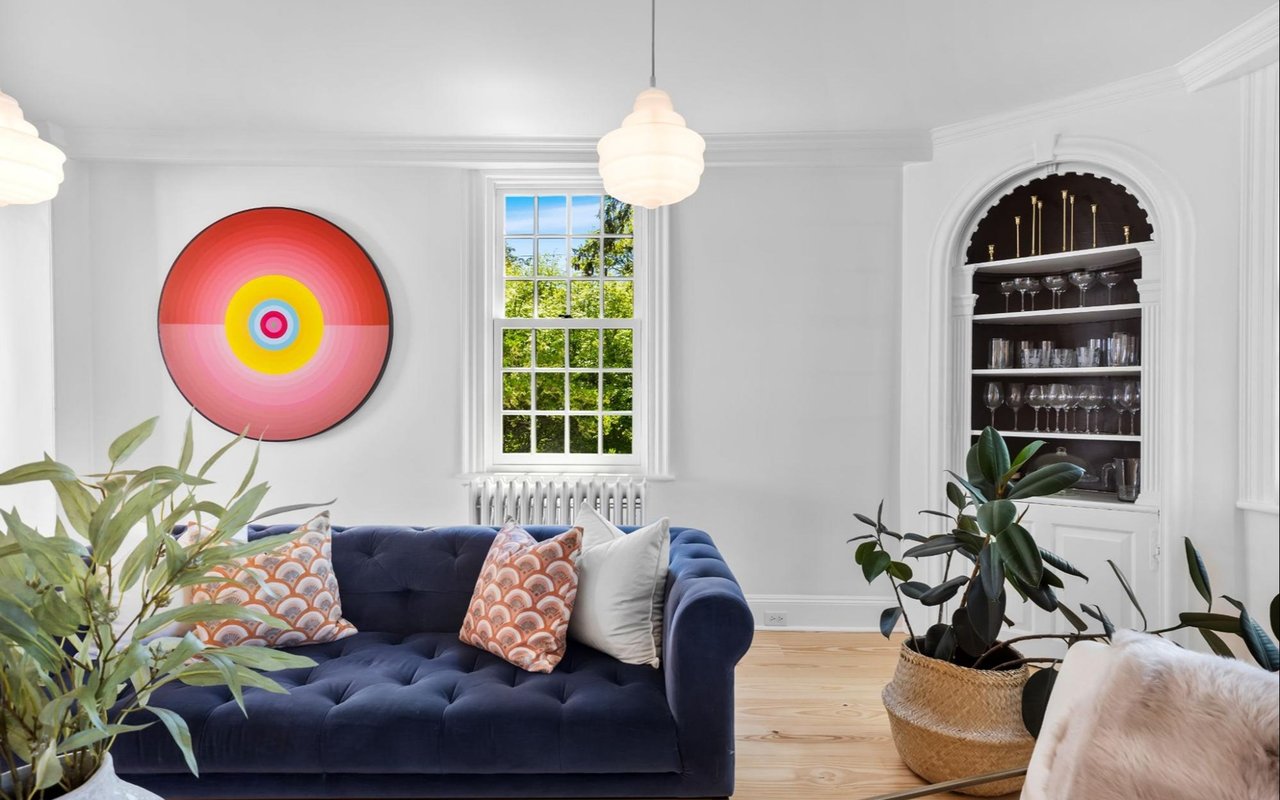
*Header photo courtesy of Cindy Raney & Team | 1415 Mill Hill Terrace, Fairfield, CT
Our team has worked with antique and historic homes across Westport, Greenwich, Darien, New Canaan, Southport, Wilton, and Fairfield for years, and we understand the particular character these properties carry. If you are considering a renovation and want a conversation about where to begin, we would be glad to help you think it through. We know which updates resonate with buyers, which structural considerations are worth addressing before listing, and how to position a home's unique character as an asset rather than a question mark.
When you're ready to talk through your renovation plans or prepare your home for the market, we're here to help you make the most of every decision. Connect with us at Cindy Raney & Team today.
*Header photo courtesy of Cindy Raney & Team | 1415 Mill Hill Terrace, Fairfield, CT