When you list a home in Westport, Southport, or New Canaan, the number you choose does more than set an asking price — it tells the market how to read your home, where to file it, and whether it deserves a second look. In a region where buyers are well-informed and watching new inventory closely, that first signal carries enormous weight. Price it correctly, and you create energy and competition that lift the final number. Price it too high, and you risk the opposite, often without realizing it until the momentum has already slipped away.
Overpricing rarely feels like a mistake in the moment — it feels like ambition, optimism, room to negotiate. In practice, though, it's one of the costliest decisions a seller can make, because its effects build gradually rather than announce themselves. By the time they show up as fewer showings, more days on market, and offers lower than expected, the strongest window has usually closed.
This is where strategic pricing changes everything. As your advisors, our job isn't to validate a number you hope to reach — it's to recommend the price that produces the best result when the sale is complete. Those aren't the same thing, and understanding the difference is what protects your leverage and your bottom line.
Key Takeaways
- Buyers in Fairfield County compare listings constantly, so a home priced above its competition typically gets dismissed before it is ever truly considered.
- Overpricing shrinks your buyer pool and eliminates the competition that drives prices upward.
- The first seven to ten days on the market draw the most qualified, motivated buyers, and that attention cannot be recreated later.
- Price reductions signal weakness and invite bargain-seekers, while a stale listing hands negotiating power to the buyer.
- Strategic pricing is positioning, not underpricing, and it is designed to maximize your final sale price rather than limiting it.
The Market Sets Value, Not Your Aspirational Number
Every seller has a number in mind, often shaped by what the home means to them rather than what the market will support. That's understandable — you've lived in it, improved it, watched values climb. But buyers don't assign value based on your history with the property. They assign it by comparison.
A buyer searching the Gold Coast is rarely looking at one home in isolation. They're weighing your listing against others in the same price bracket across multiple towns, often in a single afternoon. If your price places it alongside larger lots, more recent renovations, or better proximity to the water, it loses that comparison instantly. The buyer won't call to negotiate — they'll move on to the listing that feels correctly valued. An aspirational price doesn't start a conversation. It ends one.
Our recommendation is built from the ground up, so your home is measured against the right competitive set, not an inflated one — real comparables, an honest read of condition and presentation, and a clear sense of how buyers are behaving in your specific micro-market right now.
A buyer searching the Gold Coast is rarely looking at one home in isolation. They're weighing your listing against others in the same price bracket across multiple towns, often in a single afternoon. If your price places it alongside larger lots, more recent renovations, or better proximity to the water, it loses that comparison instantly. The buyer won't call to negotiate — they'll move on to the listing that feels correctly valued. An aspirational price doesn't start a conversation. It ends one.
Our recommendation is built from the ground up, so your home is measured against the right competitive set, not an inflated one — real comparables, an honest read of condition and presentation, and a clear sense of how buyers are behaving in your specific micro-market right now.
What Shapes a Sound Pricing Recommendation?
- Recent, truly comparable sales within your town and immediate neighborhood, not broad county averages.
- The home's condition and presentation relative to competing listings buyers are seeing at the same time.
- Micro-neighborhood dynamics.
- How buyers search by price range and where your home will appear within those filters.
Why Overpricing Quietly Shrinks Your Buyer Pool
The most serious buyers in Fairfield County are also the most discerning, and they tend to skip overpriced homes entirely. They've seen enough inventory to recognize when a listing is reaching, and they rarely reward it with a showing. The result: fewer visits, fewer conversations, and far fewer chances at the offer you actually want.
This is the part that surprises many sellers. The goal of listing a home is to attract demand, but an inflated price does the reverse — it filters out the qualified, motivated buyers who'd compete for a well-priced property, and leaves you waiting for someone willing to overpay, a buyer who rarely materializes. Fewer showings mean fewer chances for a strong offer, and losing that competition removes the single most powerful force working in your favor.
Competition is what drives prices up. When several qualified buyers encounter the same well-positioned home at the same time, they respond to one another — and that dynamic produces higher offers and cleaner terms. Overpricing eliminates that energy from the start, forfeiting the very leverage that pushes a sale price higher.
This is the part that surprises many sellers. The goal of listing a home is to attract demand, but an inflated price does the reverse — it filters out the qualified, motivated buyers who'd compete for a well-priced property, and leaves you waiting for someone willing to overpay, a buyer who rarely materializes. Fewer showings mean fewer chances for a strong offer, and losing that competition removes the single most powerful force working in your favor.
Competition is what drives prices up. When several qualified buyers encounter the same well-positioned home at the same time, they respond to one another — and that dynamic produces higher offers and cleaner terms. Overpricing eliminates that energy from the start, forfeiting the very leverage that pushes a sale price higher.
How a Smaller Buyer Pool Costs You
- Serious buyers self-select out, leaving a thinner and less motivated audience.
- Showings drop, so there are fewer touchpoints that could turn into offers.
- Without multiple interested parties, there is no competitive pressure to raise bids.
- The home lingers, which buyers notice and interpret as a reason to wait.
The First Ten Days Define the Outcome
In Fairfield County, momentum concentrates almost entirely at launch. The first seven to ten days a home is on the market draw the most attention from the most qualified buyers, many of whom have been watching for new inventory and are ready to act the moment the right property appears. This is when interest is highest and competition is most likely to form.
An overpriced home squanders that window. By the time the price is corrected, the audience that mattered most has already seen the listing, registered it as overpriced, and moved on. New attention later in the process is thinner and more skeptical, because the newness that generated the excitement is gone. The launch isn't a soft opening you can repeat — it's the best opportunity you'll have, so it deserves to be priced for impact, not aspiration.
This is why our pricing guidance is proactive, not reactive. We position your home to capture full demand during that opening window, when the buyers who'll pay the most are paying the closest attention.Getting the number right at launch is how early interest becomes competing offers instead of energy that dissipates.
An overpriced home squanders that window. By the time the price is corrected, the audience that mattered most has already seen the listing, registered it as overpriced, and moved on. New attention later in the process is thinner and more skeptical, because the newness that generated the excitement is gone. The launch isn't a soft opening you can repeat — it's the best opportunity you'll have, so it deserves to be priced for impact, not aspiration.
This is why our pricing guidance is proactive, not reactive. We position your home to capture full demand during that opening window, when the buyers who'll pay the most are paying the closest attention.Getting the number right at launch is how early interest becomes competing offers instead of energy that dissipates.
Why the Launch Window Matters Most
- The earliest days attract buyers who have been waiting and are ready to move quickly.
- Fresh listings generate the most showings and the most online engagement.
- Competition is most likely to form when interest peaks all at once.
- Lost launch momentum is difficult to recreate, no matter how the listing is later adjusted.
How Reductions and a Stale Listing Shift Leverage to the Buyer
When an overpriced home fails to attract offers, a price reduction usually follows. On the surface it looks like a simple correction — buyers read it differently. A reduction raises the question of what might be wrong with the home, even when the only issue was the original price. Worse, buyers anchor to the reduced figure as the home's real value, so your new price becomes the ceiling of their expectations rather than the floor.
Reductions also change who's paying attention. Motivated, qualified buyers have often already moved on, so the audience that remains skews toward bargain-seekers looking for a deal on a property they assume is struggling. That shift almost always produces softer offers with more conditions attached.
Time compounds the problem. The longer a home sits, the more negotiating power moves to the buyer, who senses hesitation and uses it. Offers arrive lower, with more contingencies, and sellers frequently net less than they would have by pricing correctly from the start. The irony of overpricing: it tends to deliver a lower final number, not a higher one, while costing weeks or months along the way.
Reductions also change who's paying attention. Motivated, qualified buyers have often already moved on, so the audience that remains skews toward bargain-seekers looking for a deal on a property they assume is struggling. That shift almost always produces softer offers with more conditions attached.
Time compounds the problem. The longer a home sits, the more negotiating power moves to the buyer, who senses hesitation and uses it. Offers arrive lower, with more contingencies, and sellers frequently net less than they would have by pricing correctly from the start. The irony of overpricing: it tends to deliver a lower final number, not a higher one, while costing weeks or months along the way.
Signs That Leverage Has Slipped to the Buyer
- Days on the market climb past the norm for your market and price range.
- Showings slow while the listing grows familiar rather than fresh.
- Offers arrive below asking and carry more contingencies than expected.
- Buyers reference the time on the market as justification for a lower bid.
Strategic Pricing Is Positioning, Not Underpricing
There's a persistent misconception that pricing a home correctly means pricing it low. It doesn't. Strategic pricing is a positioning decision — grounded in comparable sales, micro-neighborhood behavior, the home's condition, and a clear understanding of how buyers search. The aim is to place your home exactly where every qualified buyer sees it at once, so interest converges and competition has room to build.
A well-positioned home doesn't wait for a single buyer to stretch. It draws the full field of qualified buyers simultaneously, and that overlap is what creates competing offers, stronger terms, and a higher sale price. Correct positioning is the most reliable path to maximizing your final number, because it harnesses demand rather than hoping to outlast it.
This is where our partnership matters most. Trusting the data and local nuance behind a pricing recommendation isn't about lowering your expectations — it's about reaching the best possible outcome with intention rather than guesswork. We align price with presentation and the true competitive set, and think carefully about how your home will appear within the price ranges buyers actually search.
A well-positioned home doesn't wait for a single buyer to stretch. It draws the full field of qualified buyers simultaneously, and that overlap is what creates competing offers, stronger terms, and a higher sale price. Correct positioning is the most reliable path to maximizing your final number, because it harnesses demand rather than hoping to outlast it.
This is where our partnership matters most. Trusting the data and local nuance behind a pricing recommendation isn't about lowering your expectations — it's about reaching the best possible outcome with intention rather than guesswork. We align price with presentation and the true competitive set, and think carefully about how your home will appear within the price ranges buyers actually search.
How to Avoid the Overpricing Trap
- Lean on the comparables and local insight behind the pricing recommendation rather than an aspirational figure.
- Treat strategic pricing as a tool to maximize the final number, not a concession.
- Align the asking price with the home's presentation and its genuine competitive set.
- Consider how buyers search by range, so your home appears where the right audience is looking.
FAQs
Does Pricing a Home Slightly Higher Leave Room to Negotiate?
It's a common assumption, but a higher asking price tends to reduce negotiating room rather than create it. An inflated price discourages qualified buyers from engaging at all, which means fewer offers and less competition. A correctly positioned home attracts more interest at once, and that interest is what produces stronger negotiations and better terms.
Why Do Buyers React So Strongly to a Price Reduction?
Buyers read a reduction as a signal something's wrong, and they anchor to the lower figure as the home's true value. Reductions also tend to attract bargain-hunters rather than motivated buyers, which can soften the offers that follow. Pricing accurately from the beginning avoids sending that signal in the first place.
What Information Goes Into Your Pricing Recommendation?
We build it from recent comparable sales in your immediate area, the home's condition and presentation, micro-neighborhood dynamics, and current buyer behavior — plus how buyers search by price range, so your home is positioned in front of the right audience from day one.
Pricing With Confidence, Not Guesswork
The price you set is the lever that determines how the entire sale unfolds. Overpricing doesn't preserve value — it erodes it, through lost momentum, a shrinking buyer pool, and leverage that slowly shifts to the buyer. Strategic pricing does the opposite: it captures attention when it matters most and lets competition do the work of lifting your final number.
We've seen it again and again — the homes priced with intention are the ones that sell most successfully, for top dollar. Our guidance is rooted in real data, sharpened by deep familiarity with the streets and micro-markets of the Gold Coast, and shaped by one goal: the best possible result for you.
If you are considering a sale in Westport, Southport, Darien, New Canaan, or anywhere along the coast, we would welcome the chance to talk through your home's position in today's market. Reach out to us at Cindy Raney & Team, and we will help you price with confidence and sell on your terms.
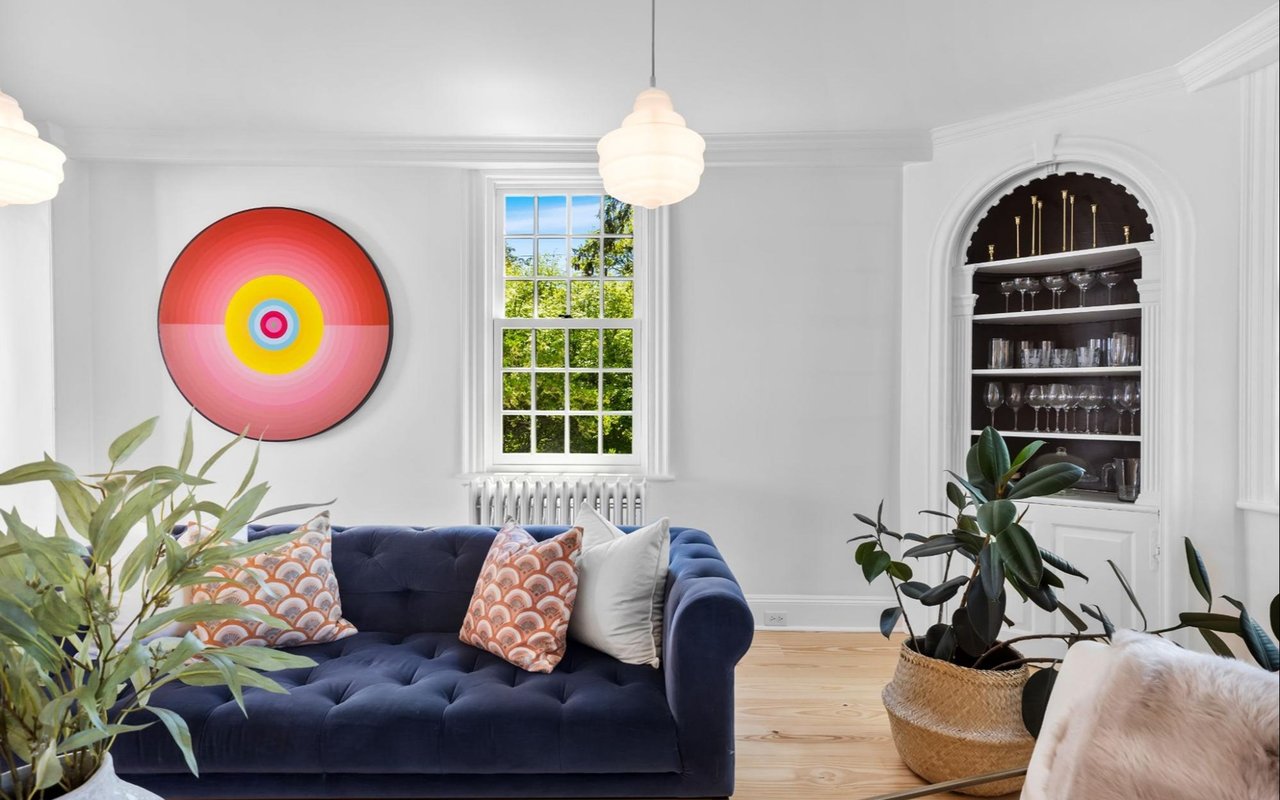
*Header photo courtesy of Cindy Raney & Team | 349 Beach Road, Fairfield, CT
We've seen it again and again — the homes priced with intention are the ones that sell most successfully, for top dollar. Our guidance is rooted in real data, sharpened by deep familiarity with the streets and micro-markets of the Gold Coast, and shaped by one goal: the best possible result for you.
If you are considering a sale in Westport, Southport, Darien, New Canaan, or anywhere along the coast, we would welcome the chance to talk through your home's position in today's market. Reach out to us at Cindy Raney & Team, and we will help you price with confidence and sell on your terms.
*Header photo courtesy of Cindy Raney & Team | 349 Beach Road, Fairfield, CT