Executive Take: What the latest evidence suggests
Last month, our research suggested that Fairfield no longer behaves like a single market.
It behaves like many.
Southport.
Greenfield Hill.
The Beach.
University.
Stratfield.
Each attracts a different buyer with a different definition of value.
August suggests that even those distinctions are no longer enough.
At first glance, Fairfield delivered another healthy month. Closed sales declined modestly from last year as new listings fell more than 24%. Yet homes sold nearly 25% faster while buyers paid an average of 105.8% of asking price.
Those statistics describe a resilient market.
They do not explain how buyers reached their decisions.
The individual transactions reveal something more instructive.
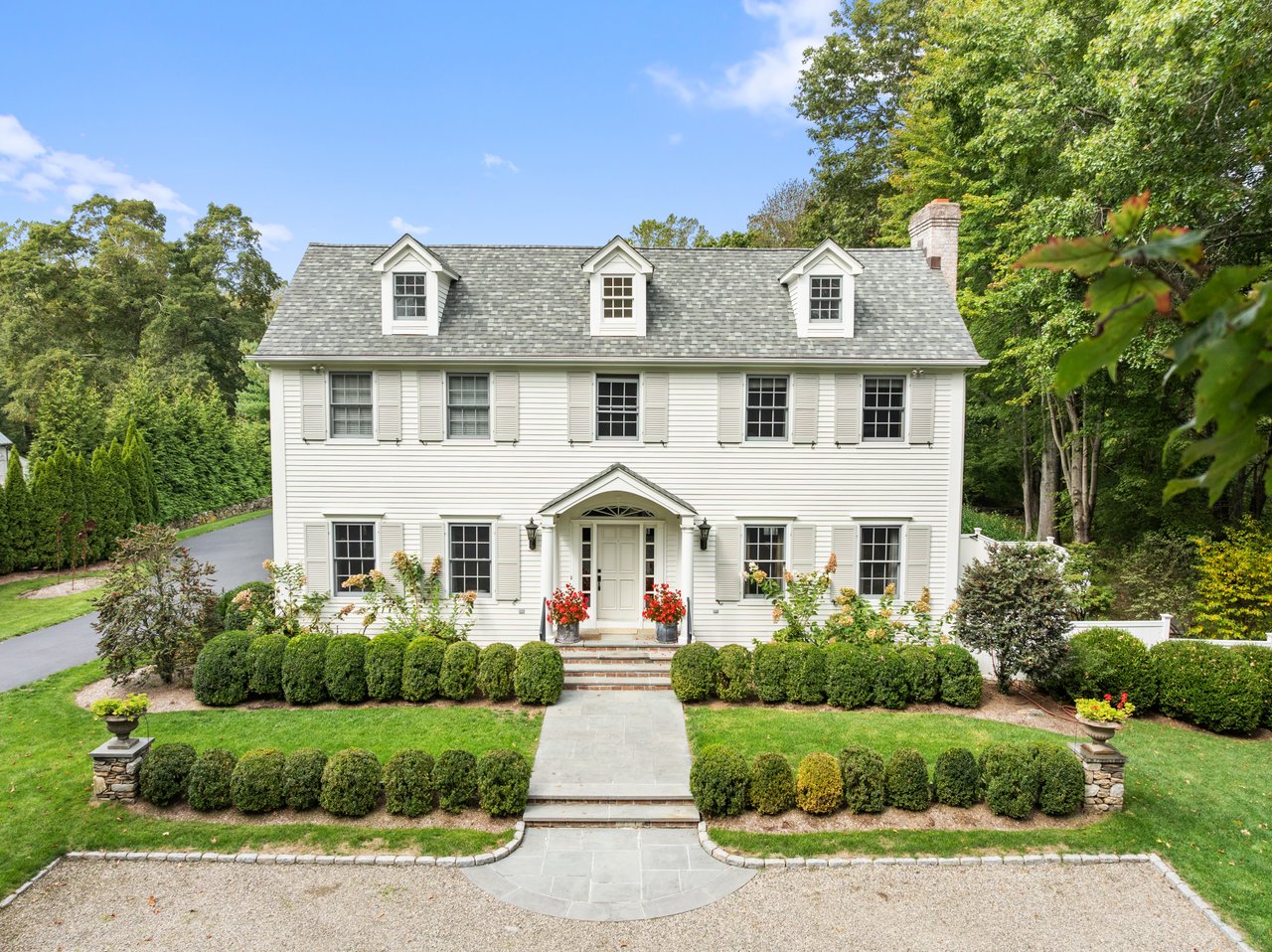
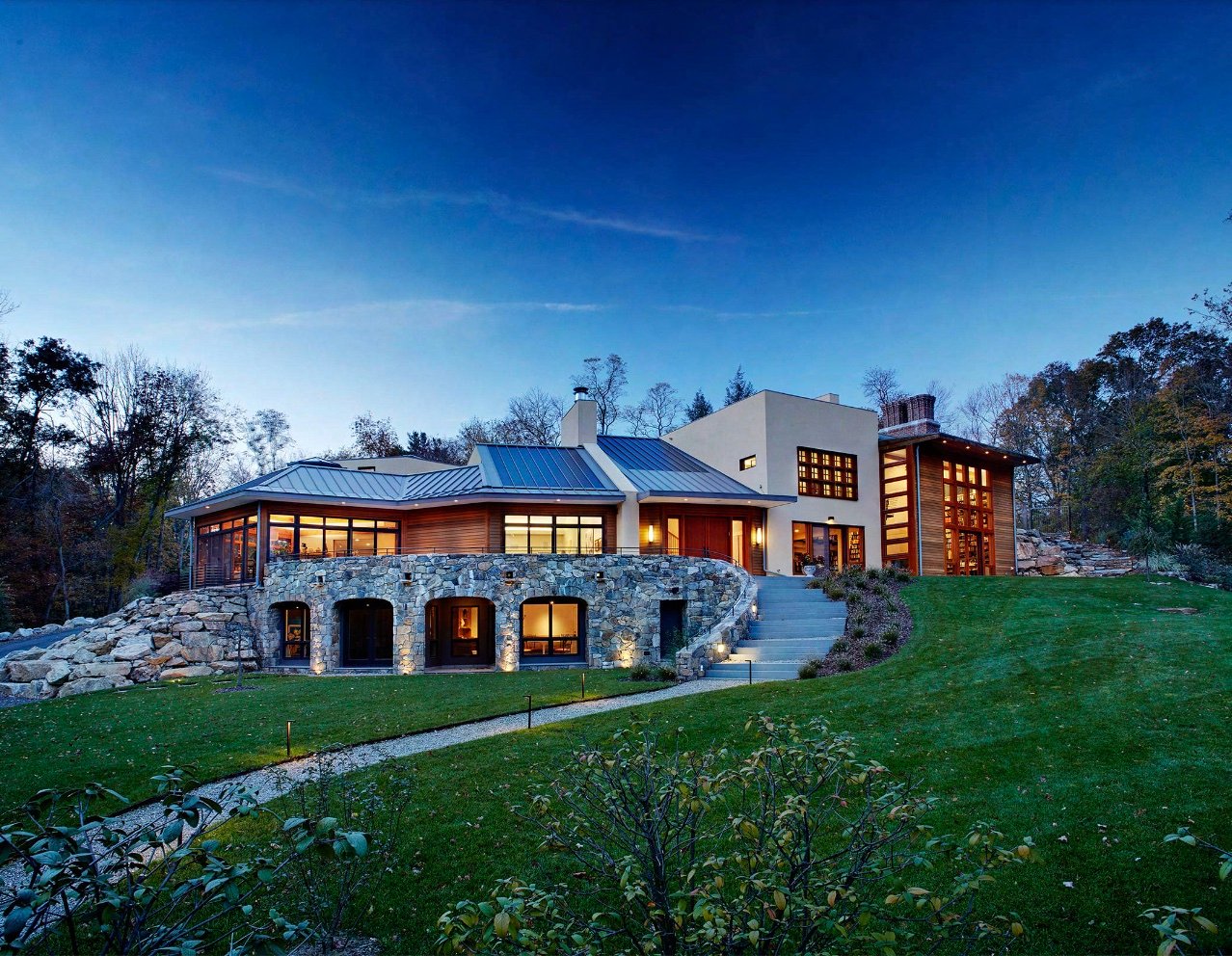
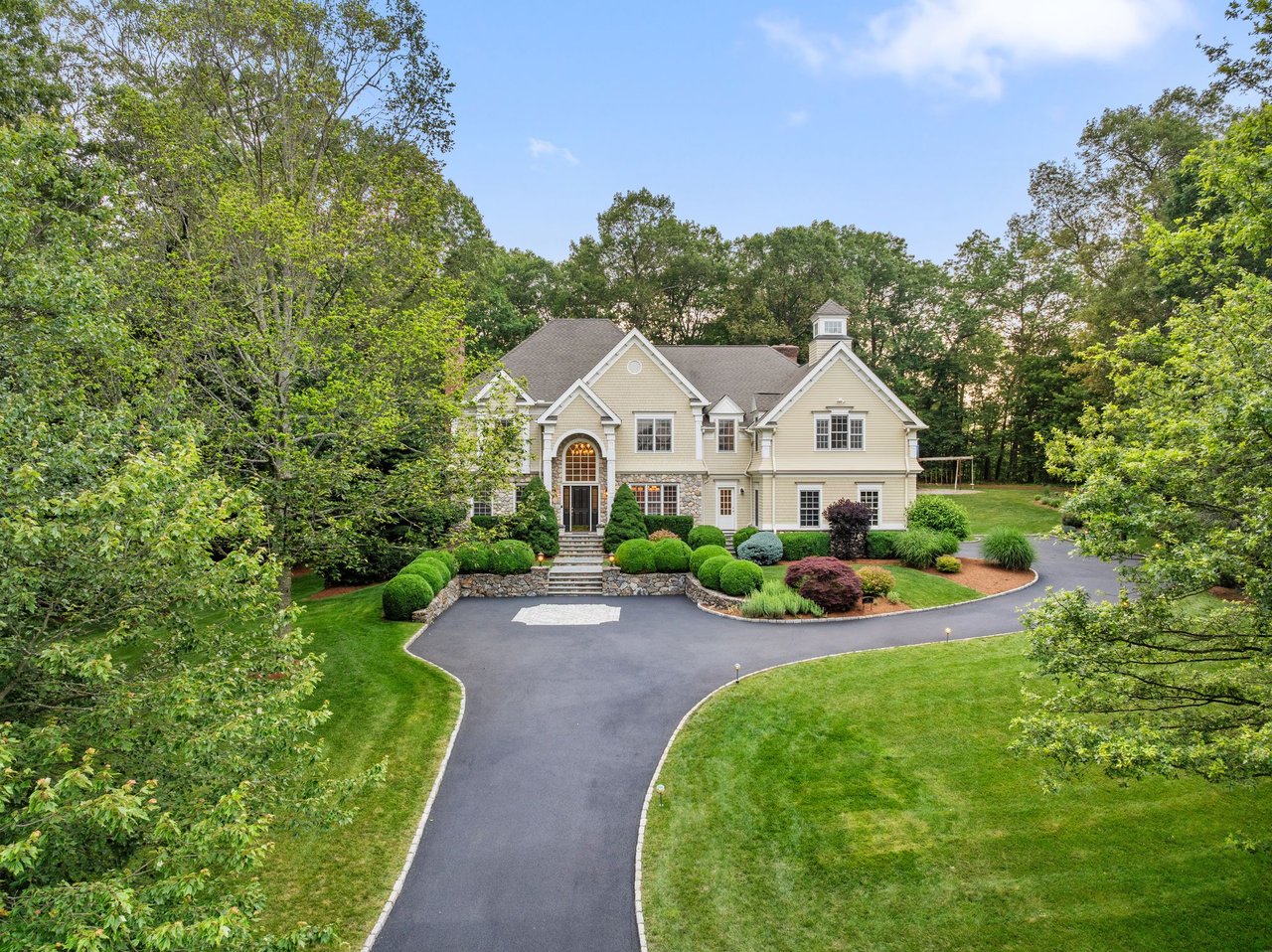
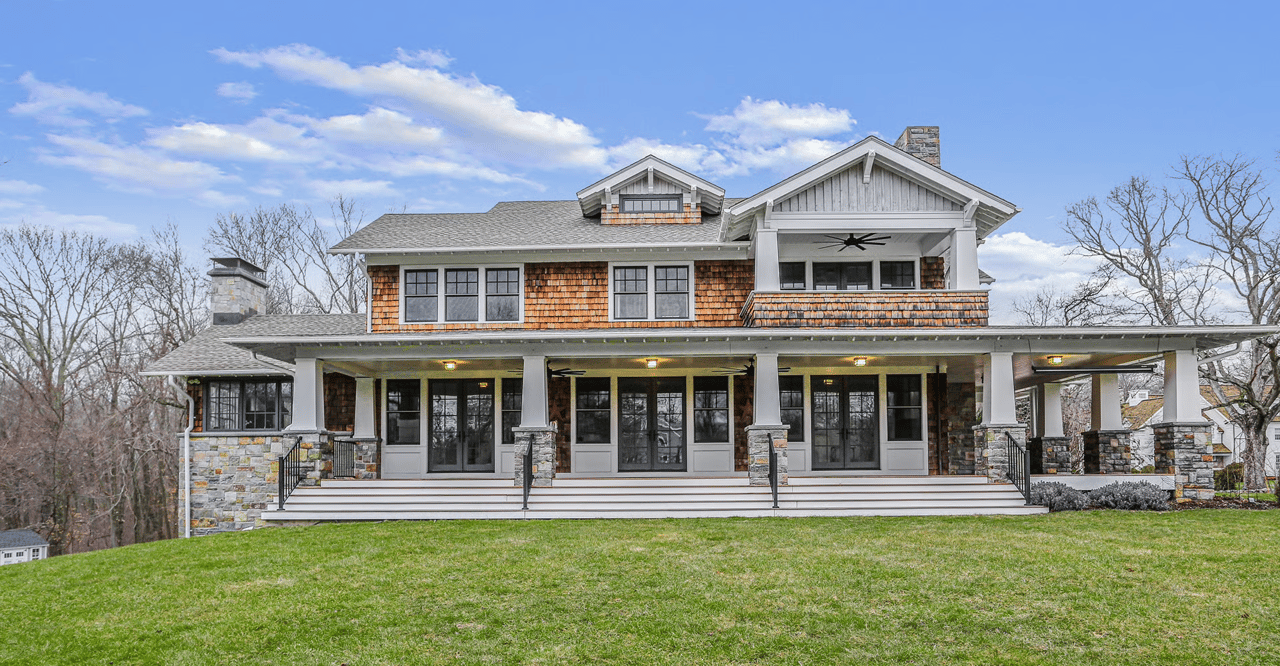
Some homes attracted immediate competition, selling between 120% and 127% above asking price after only days or weeks on the market.
Others sold between 86% and 92% of asking despite competing during that very same month.
Perhaps the most revealing observation is that these outcomes weren't confined to one neighborhood, one architectural style, or one price range.
The defining lesson of August wasn't that Fairfield contained many markets.
July had already shown us that.
August revealed something more specific.
The neighborhood framed the decision.
The home determined the outcome.
Interpretation: Why we believe the market is behaving this way
Fairfield's diversity has always distinguished it from many neighboring communities.
Each neighborhood offers a different lifestyle, different housing stock, and a different buyer profile.
That remains true.
But August suggests buyers are becoming even more precise once they enter those individual markets.
Choosing a neighborhood no longer appears to be the difficult decision.
Choosing the right home within that neighborhood is.
The evidence is remarkably consistent.
Homes that combined thoughtful pricing, strong presentation, desirable condition, and a compelling long-term value proposition continued attracting immediate buyer confidence.
Others prompted negotiation - even while benefiting from the same neighborhood, similar market conditions, and limited inventory.
The luxury market illustrates the point particularly well.
Some properties above $2 million sold at - or meaningfully above - asking price.
Others negotiated substantial discounts.
Likewise, some homes around the median price generated extraordinary premiums while others required concessions.
Neither neighborhood nor price alone consistently explained the outcome.
Individual property quality did.
That distinction matters because it changes how Fairfield should be understood.
Neighborhoods still establish the competitive landscape.
Increasingly, however, buyers appear to be making their strongest judgments one property at a time.
Implications: How intelligent buyers and sellers should think about this
One of the easiest assumptions a Fairfield homeowner can make is believing that choosing the right neighborhood is enough.
August argues otherwise.
Neighborhoods create opportunity.
Individual homes capture it.
Preparation.
Presentation.
Pricing.
Condition.
Positioning.
Those decisions increasingly determine whether buyers immediately recognize value—or continue searching within the very same neighborhood.
For sellers, that raises an important strategic question.
Your home is no longer competing simply against Fairfield.
It isn't even competing solely against Southport, Greenfield Hill, Stratfield, or the Beach.
It is competing against every credible alternative a buyer is considering within that market at the very moment they are ready to act.
For buyers, the implication is equally important.
Neighborhood reputation remains valuable.
It simply doesn't replace individual judgment.
Some homes justify immediate conviction because they answer nearly every question before buyers ask it.
Others deserve patience because uncertainty creates negotiating leverage.
Recognizing that distinction has become far more valuable than relying on town-wide statistics - or even neighborhood reputation alone.
The Principle We're Watching
Throughout 2026, our research has steadily narrowed the lens through which we evaluate residential markets.
First, we observed inventory declining faster than demand.
Then we saw buyers becoming increasingly selective about where they placed their confidence.
Last month, Fairfield demonstrated that one town could operate as many distinct neighborhood markets.
August suggests the next evolution.
Even within those neighborhood markets, buyers continue separating individual opportunities with remarkable precision.
Broad market conditions establish the environment.
Neighborhoods define the competitive set.
Individual properties determine where conviction ultimately forms.
We believe that distinction will become increasingly important as inventory remains constrained and buyers continue approaching each purchase with greater discipline.
Closing Thought
Fairfield remains one of Fairfield County's most dynamic housing markets.
Its breadth has always been one of its greatest strengths.
There are few communities where buyers can choose among waterfront living, historic neighborhoods, estate properties, walkable village streets, and traditional suburban settings without ever leaving town.
August reinforced that this diversity remains one of Fairfield's defining advantages.
It also reminded us that diversity alone no longer explains market outcomes.
Buyers aren't simply choosing Fairfield.
They aren't simply choosing a neighborhood.
Increasingly, they're choosing one particular opportunity they believe stands above every other available alternative.
That is why two homes in the same neighborhood can experience remarkably different outcomes while the broader market remains healthy.
The neighborhood still matters.
It simply no longer makes the decision.
Increasingly, the home does.