Executive Take: What the latest evidence suggests
At first glance, July appeared to be another exceptionally strong month for Fairfield.
Closed sales increased more than 35% compared to last year. Median sale price rose more than 7%. Buyers paid an
average of 105% of asking price while homes sold roughly 20% faster despite new listings declining by more than 30%.
Those statistics describe a healthy market.
They do not explain how buyers allocated demand.
The individual transactions reveal something more instructive.
Some homes generated extraordinary competition, selling 120%, 127%, even 133% above asking price after reaching agreement in little more than a week.
Others sold below asking despite competing during the same supply-constrained month.
Perhaps the most revealing aspect of July is that these outcomes occurred throughout Fairfield rather than within one particular neighborhood or price range.
Beach.
Greenfield Hill.
Southport.
University.
Stratfield.
Different neighborhoods.
Different buyer pools.
Different outcomes.
One town.
Many markets.
Interpretation: Why we believe the market is behaving this way
Fairfield has always been one of the county’s broadest housing markets.
Few towns offer such a wide variety of lifestyles within one municipal boundary.
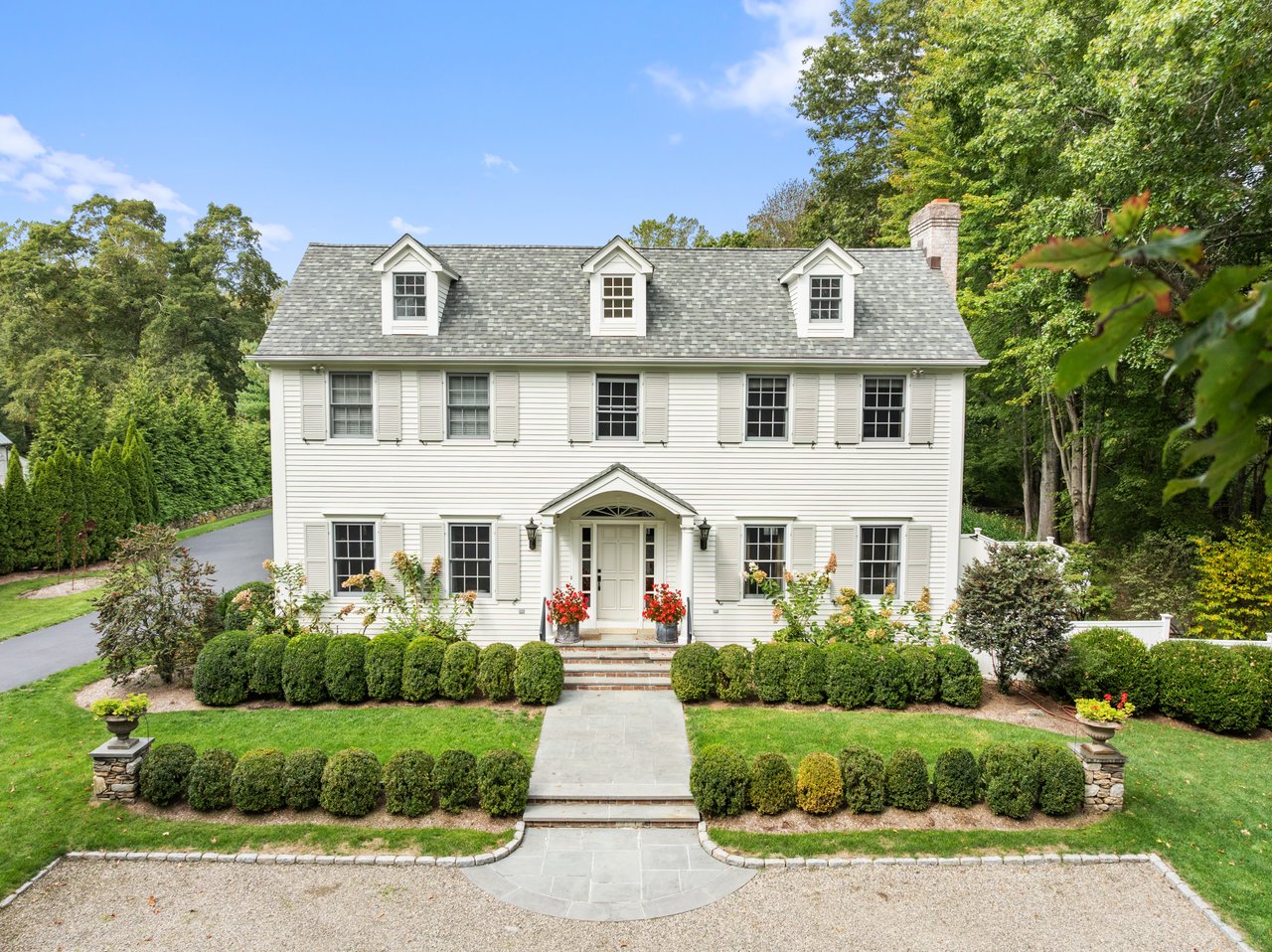
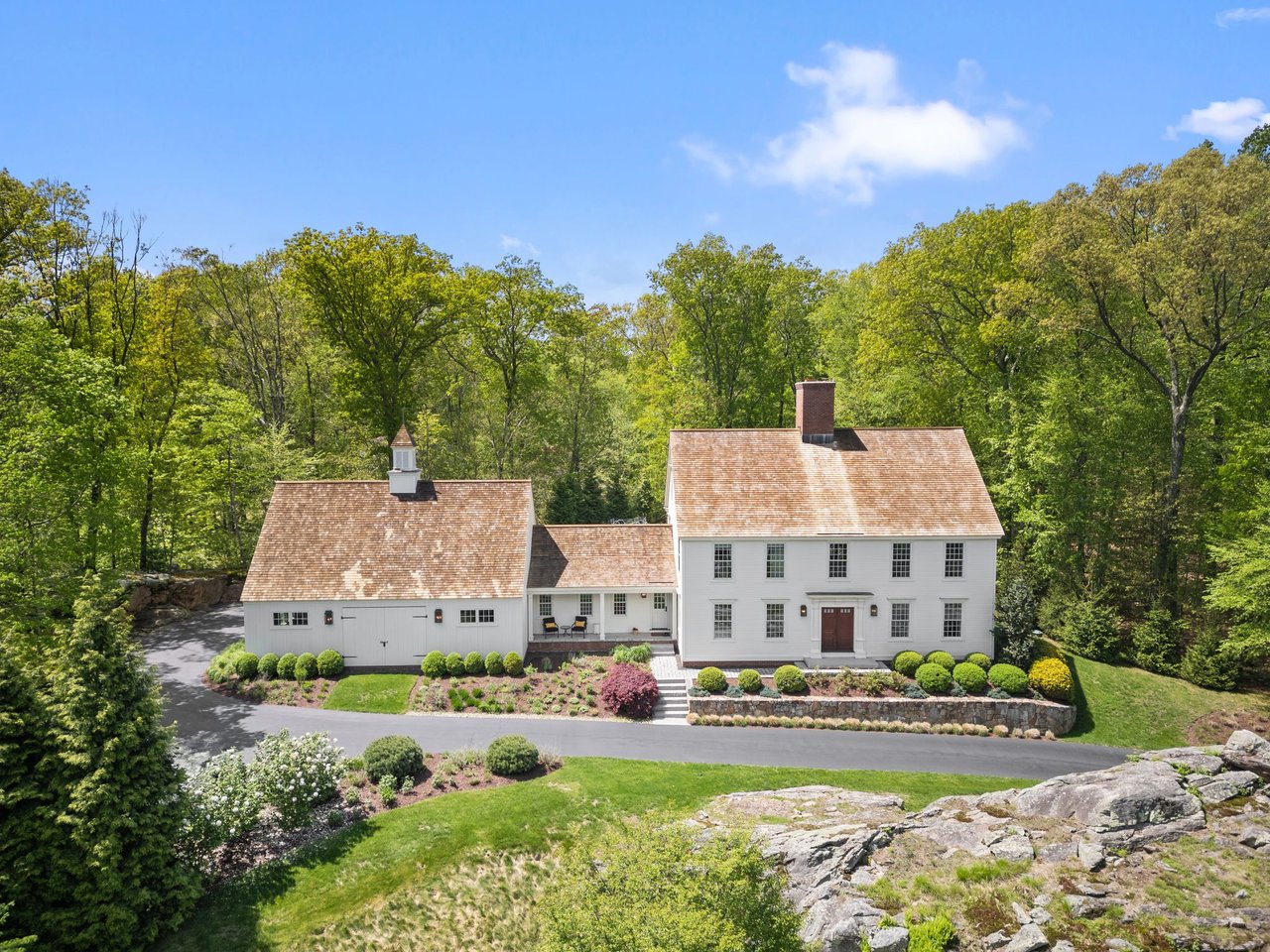
Waterfront cottages.
Beach-area colonials.
University neighborhoods.
Historic Stratfield.
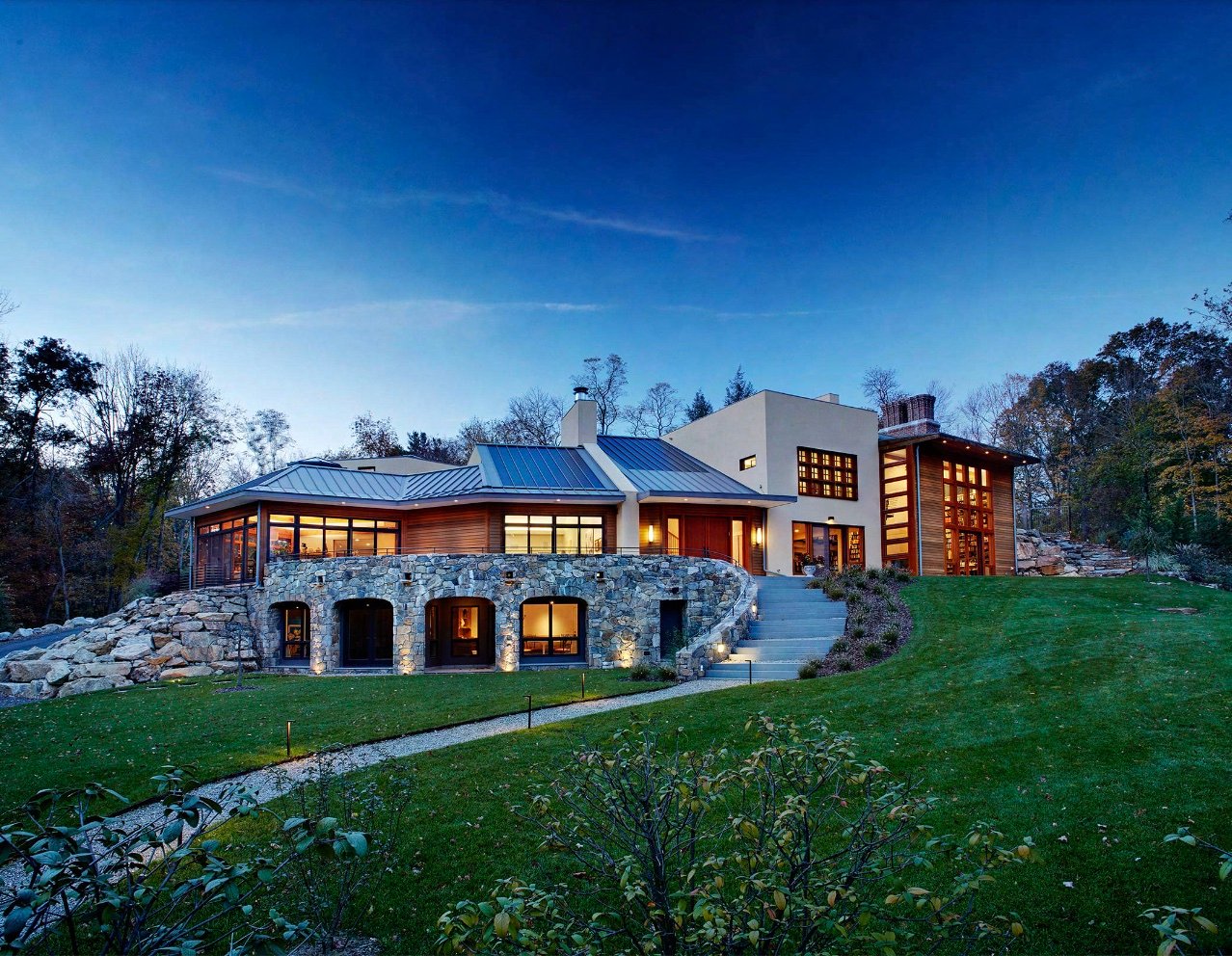
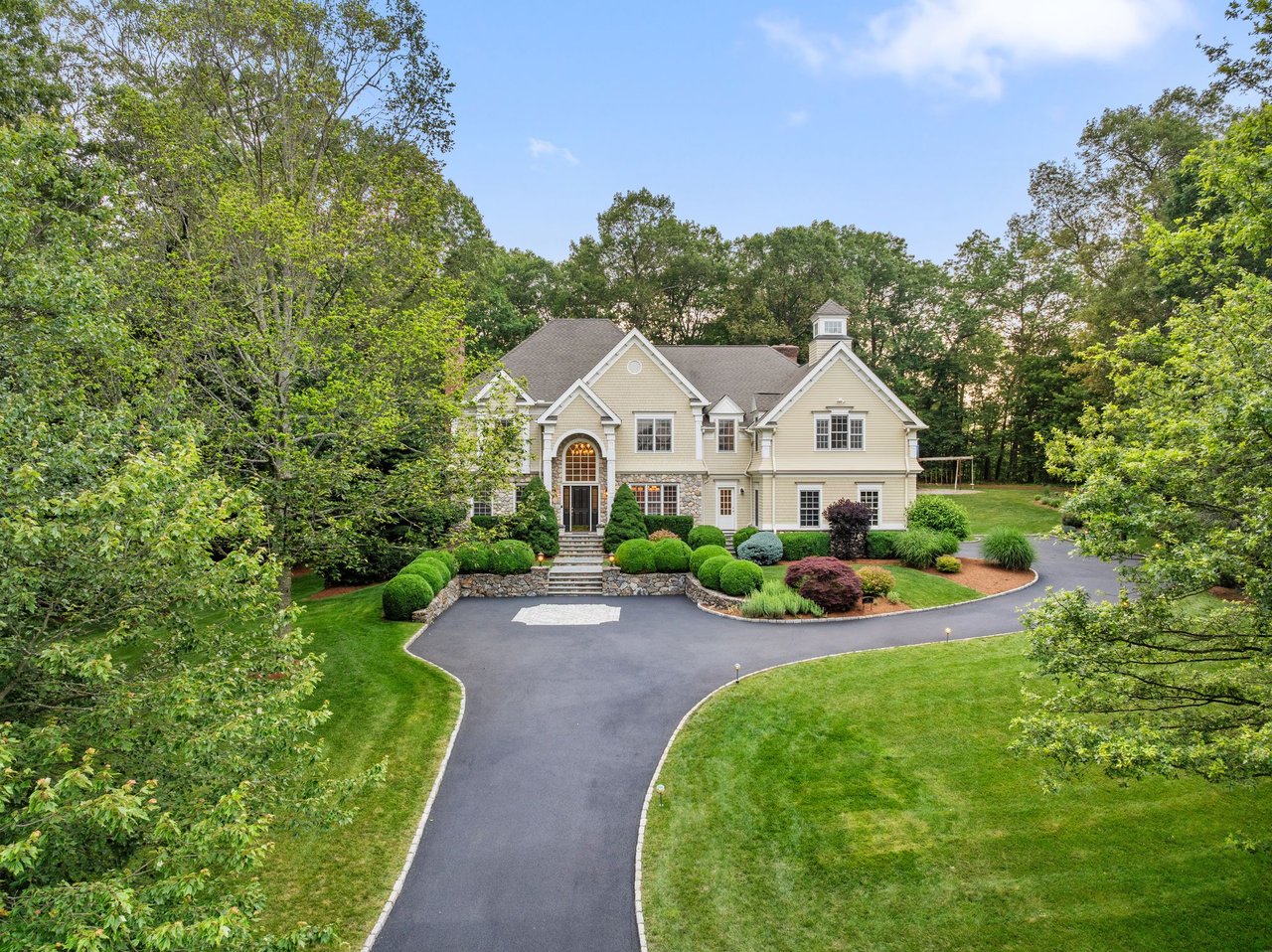
Greenfield Hill estates.
Southport village.
Each attracts a somewhat different buyer with a different definition of value.
July suggests those distinctions are becoming increasingly consequential.
Across Fairfield, buyers continued paying meaningful premiums whenever pricing, condition, presentation, and long-term value aligned.
Yet they showed remarkably little hesitation negotiating – or simply waiting – when those elements felt less convincing.
Fairfield wasn’t operating as one market.
It was operating as several neighborhood markets simultaneously.
Our own July transactions reinforced the same conclusion.
In Southport, buyer conviction produced a sale at roughly 110% of asking price.
In the University area, thoughtful positioning generated approximately 106% of asking after immediate buyer participation.
In Greenfield Hill, buyers reached agreement slightly above asking price without the same level of competitive escalation.
Three neighborhoods.
Three price bands.
Three different expressions of buyer confidence.
The common denominator wasn’t geography.
It was alignment between buyer expectations and seller execution.
Implications: How intelligent buyers and sellers should think about this
One of the easiest mistakes homeowners can make is assuming Fairfield has one market.
July suggests otherwise.
Every neighborhood competes for a different buyer.
Every price range introduces different expectations.
Every listing begins with a different group of alternatives in the buyer’s mind.
The question is no longer simply whether inventory remains low.
The more useful question is:
Which market is my home actually competing within?
That distinction changes nearly every strategic decision.
Pricing.
Preparation.
Presentation.
Marketing.
Even timing.
The strongest July outcomes were not confined to one neighborhood or one price point.
They occurred wherever sellers reduced uncertainty before buyers arrived.
For buyers, Fairfield requires a similarly disciplined approach.
The opportunity isn’t deciding whether Fairfield remains desirable.
It clearly does.
The opportunity is recognizing that each neighborhood – and often each individual property – operates according to its own competitive dynamics.
Some homes deserve immediate conviction because they leave little to question.
Others deserve patience because uncertainty creates negotiating leverage.
Knowing the difference increasingly matters more than simply understanding town-wide statistics.
The Principle We’re Watching
Throughout 2026, our research has consistently suggested that buyers have become increasingly selective about where they place their confidence.
Fairfield extends that observation.
As communities become more diverse, broad market averages become less useful for predicting individual outcomes.
Town-wide statistics still describe the environment.
Neighborhood dynamics increasingly determine the outcome.
We believe that distinction will continue becoming more important as buyers remain disciplined about where – and why – they choose to compete.
Closing Thought
Fairfield’s July performance was undeniably strong.
Demand remained healthy.
Supply remained constrained.
Competition remained meaningful.
But the latest evidence suggests something more nuanced.
Fairfield did not behave like one market.
It behaved like many markets operating simultaneously.
Each neighborhood framed a different buying decision.
That’s why broad market statistics explain only part of Fairfield’s story.
The more meaningful explanation is increasingly found where buyers actually make decisions: neighborhood by neighborhood, property by property.
One town.
Many markets.