Buyers Came to Weston to Live Differently. They Competed for Homes That Made the Choice Feel Worthwhile.
The Executive Take
Throughout the second quarter, Weston reminded us that buyers do not come here looking for a version of every other Fairfield County town.
They come because they want something different.
More land.
More privacy.
More quiet.
More space between themselves and the pace surrounding them.
Those qualities have always distinguished Weston.
But Q2 revealed an equally important distinction.
Buyers did not reward difference for its own sake.
They rewarded homes that made choosing differently feel worthwhile.
New listings declined nearly 26% compared to the same period last year, yet median sale price increased almost 4% and buyers paid an average of 106.7% of asking price. Closed sales declined only modestly despite substantially fewer homes reaching the market.
Those statistics describe healthy demand.
They do not explain why buyers competed so aggressively for some homes while others required extended marketing periods, price reductions, or greater negotiation before selling.
The defining story of Weston’s second quarter was not simply that buyers wanted acreage, privacy, or space.
It was that the strongest homes translated those qualities into a compelling way of life.
They gave buyers a clear reason to choose Weston.
And when that reason felt valuable enough, competition followed.
The Mechanism
Every town asks buyers to make tradeoffs.
Weston’s are simply more deliberate.
Buyers choosing Weston are often accepting less walkability, fewer neighborhood conveniences, and greater distance from the activity found in surrounding communities.
In exchange, they expect something meaningful.
A private setting.
Usable land.
A sense of calm.
A home with individuality.
A lifestyle that would be difficult to recreate elsewhere.
Throughout the second quarter, buyers repeatedly demonstrated that they were willing to embrace those tradeoffs when the return felt clear.
The strongest homes did not need to look alike.
They did not need to share the same architecture, age, size, or price point.
They needed to make their differences feel valuable.
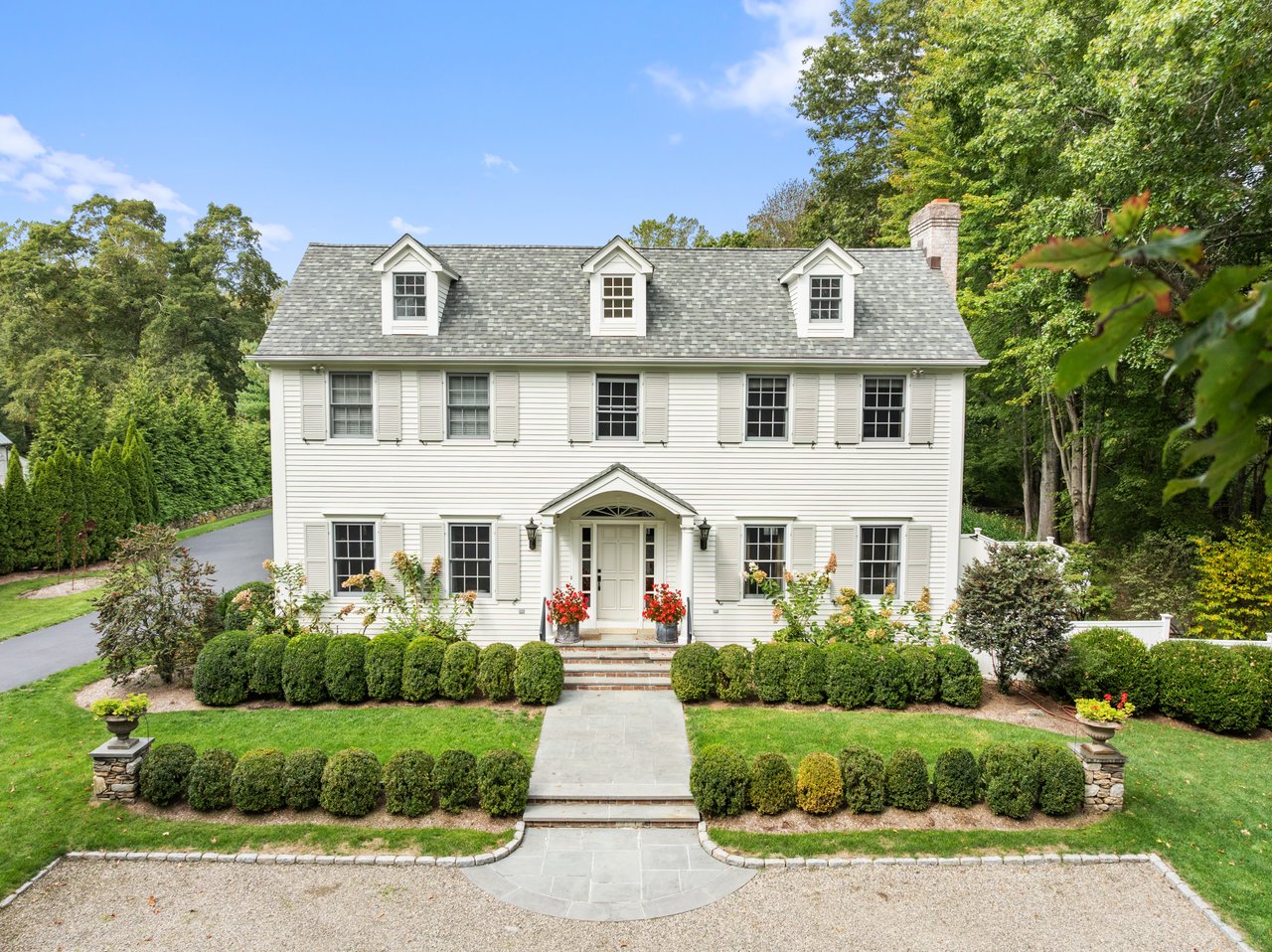
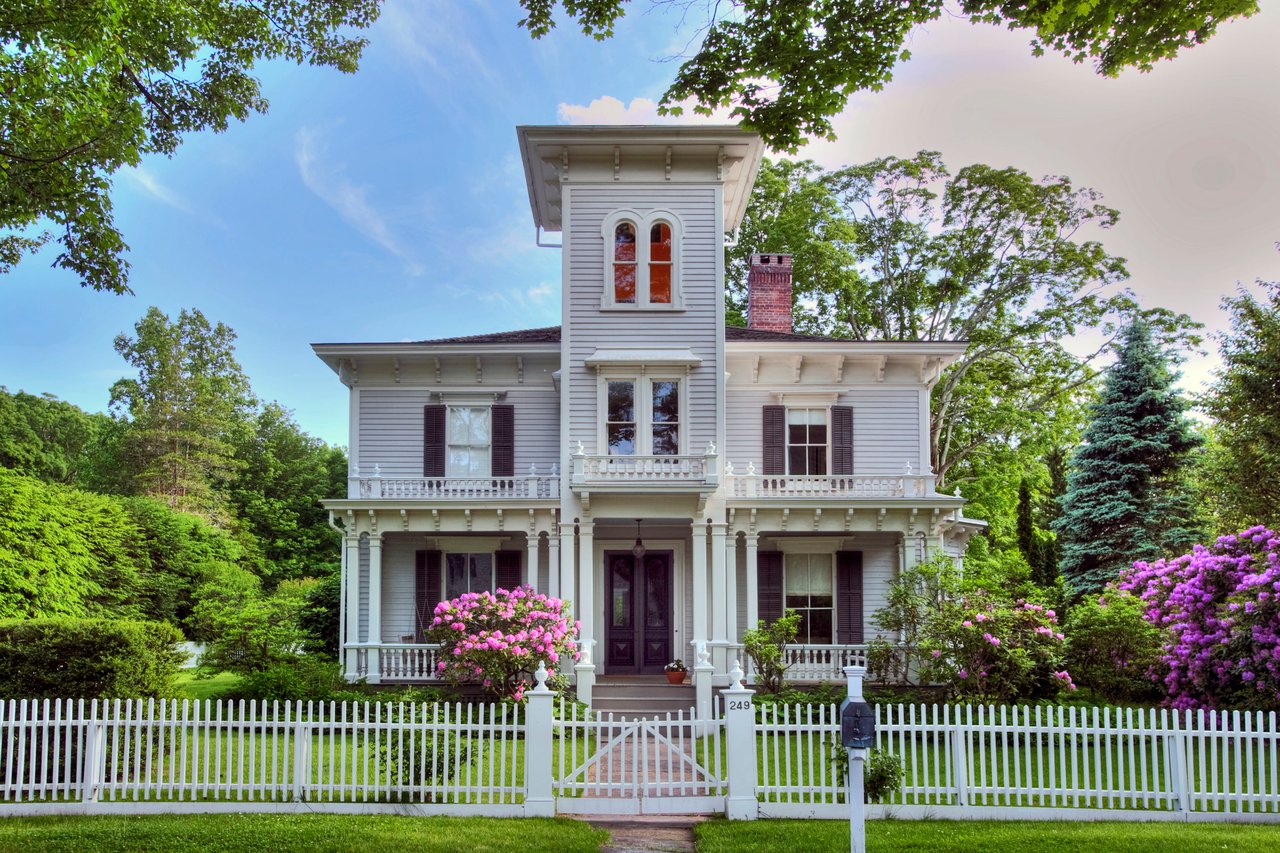
A historic home could succeed.
A mid-century home could succeed.
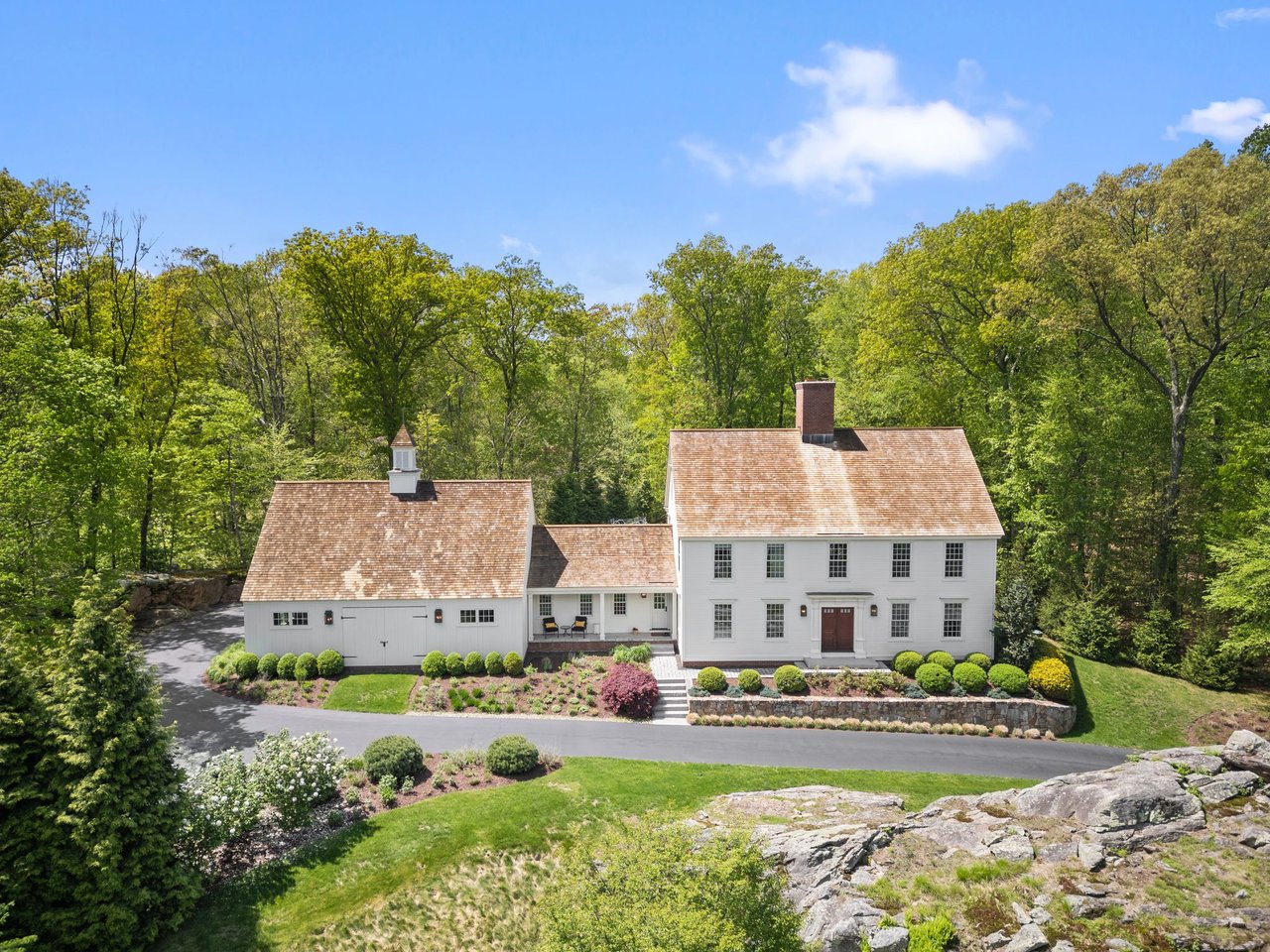
A traditional colonial could succeed.
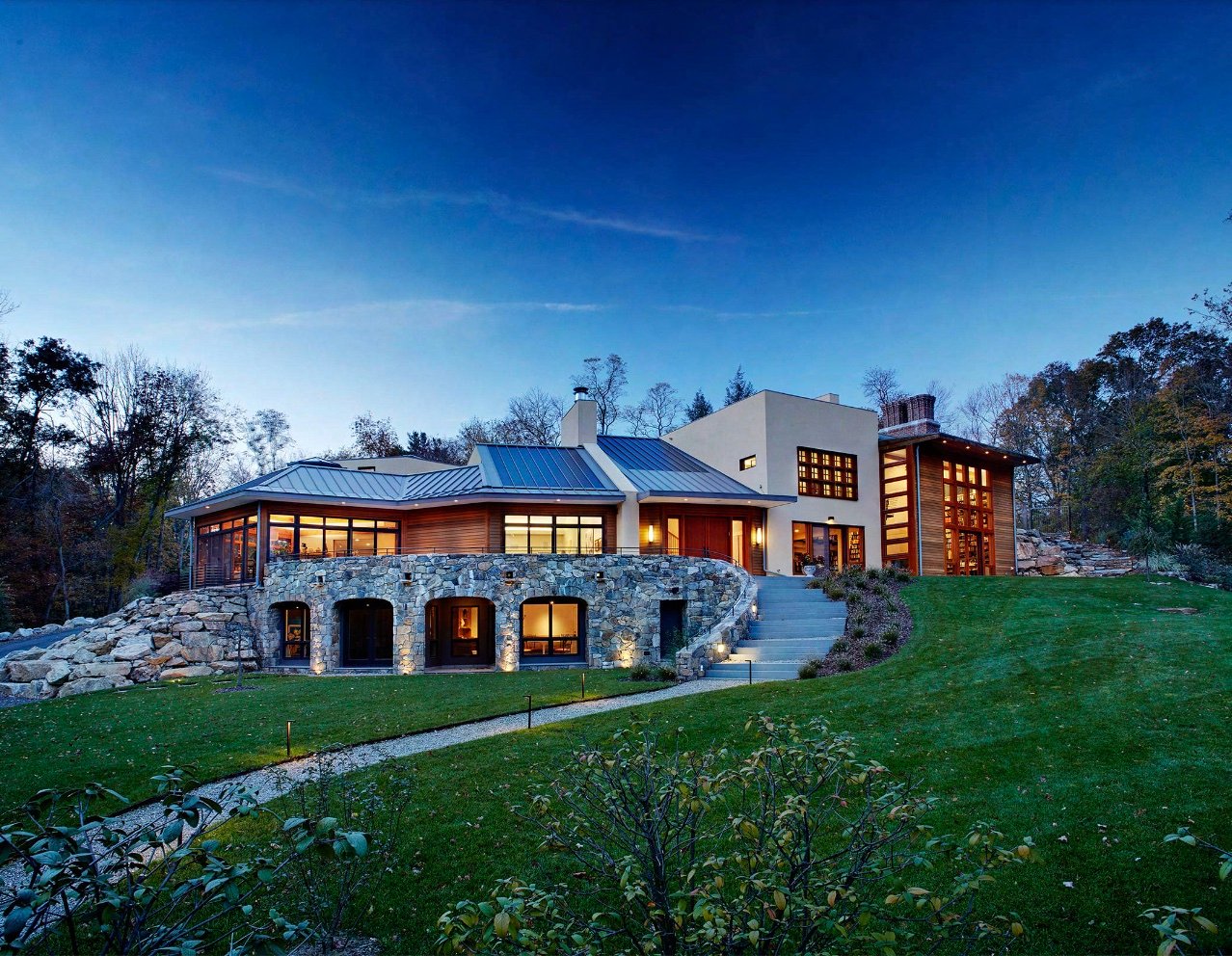
A newer estate could succeed.
What mattered was whether the home, property, presentation, condition, and pricing worked together to reinforce the reason a buyer had chosen Weston in the first place.
When they did, buyers acted quickly and often aggressively.
When they did not, individuality began to feel less like an advantage and more like a compromise.
That is the operating mechanism.
Weston buyers did not demand sameness.
They demanded a compelling reason to choose differently.
What Q2 Revealed
Viewed across the quarter, Weston remained remarkably resilient.
Closed sales declined less than 8%, despite new listings falling nearly 26%.
Median sale price increased approximately 4%.
Buyers paid an average of 106.7% of asking price.
Those are not the characteristics of a market losing demand.
They are the characteristics of a market concentrating demand around homes that made the Weston proposition feel especially compelling.
The transaction-level results reinforce that conclusion.
Homes ranging from under $800,000 to more than $3 million generated strong outcomes. Buyers competed for houses built in the nineteenth century, mid-century homes, traditional colonials, and larger modern estates.
There was no single formula.
There was, however, a consistent pattern.
The strongest homes presented their individuality as a benefit.
They helped buyers understand not simply what they were purchasing, but why that particular home and setting justified choosing Weston.
Other properties experienced a very different process.
Several required extended periods of price discovery. Some sold meaningfully below their original asking prices after buyers declined to accept the value initially being proposed.
Those homes entered the same supply-constrained market.
They had access to the same buyer demand.
What differed was whether buyers believed the home made the tradeoffs of choosing Weston feel worthwhile.
Case Study
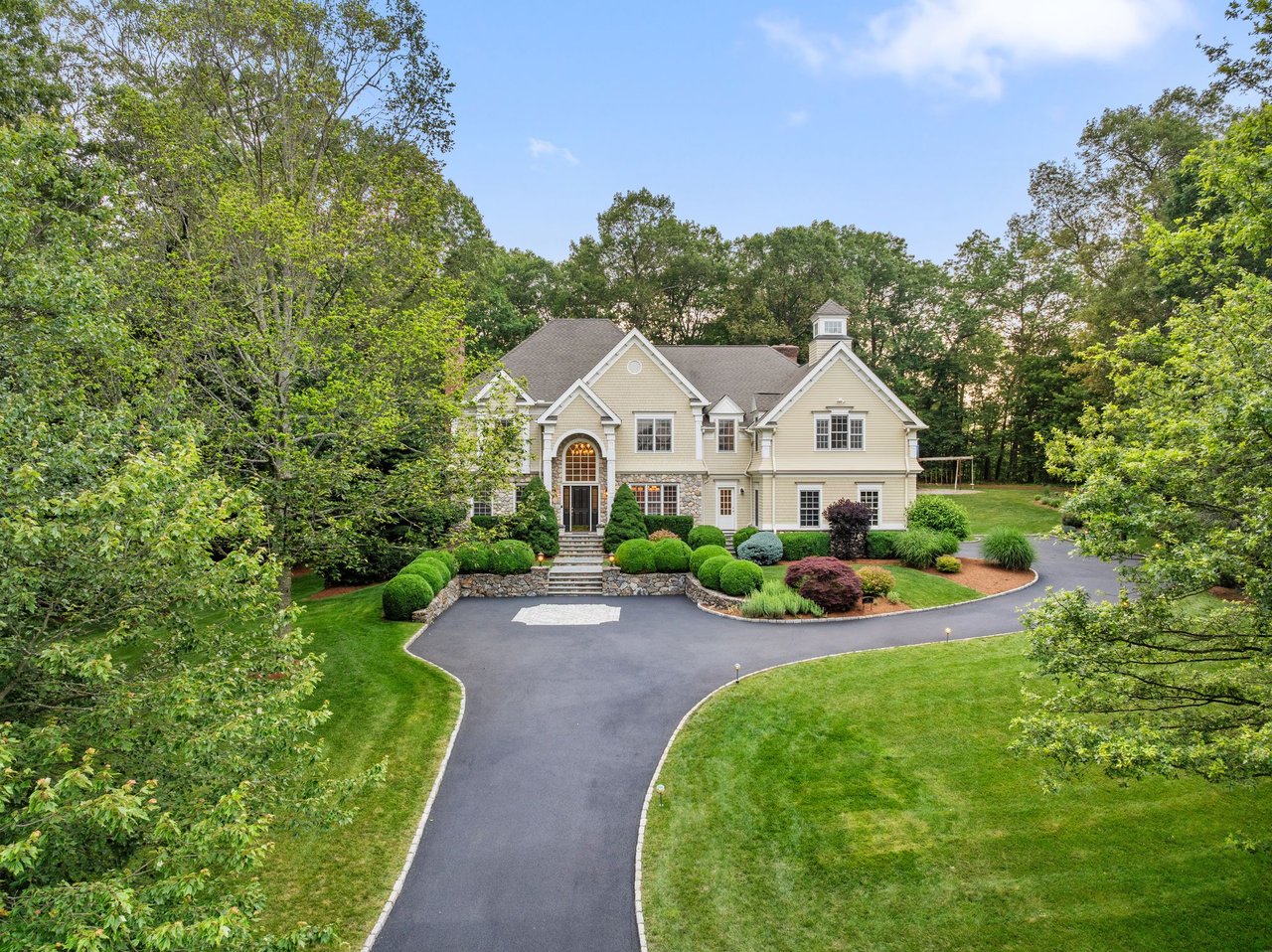
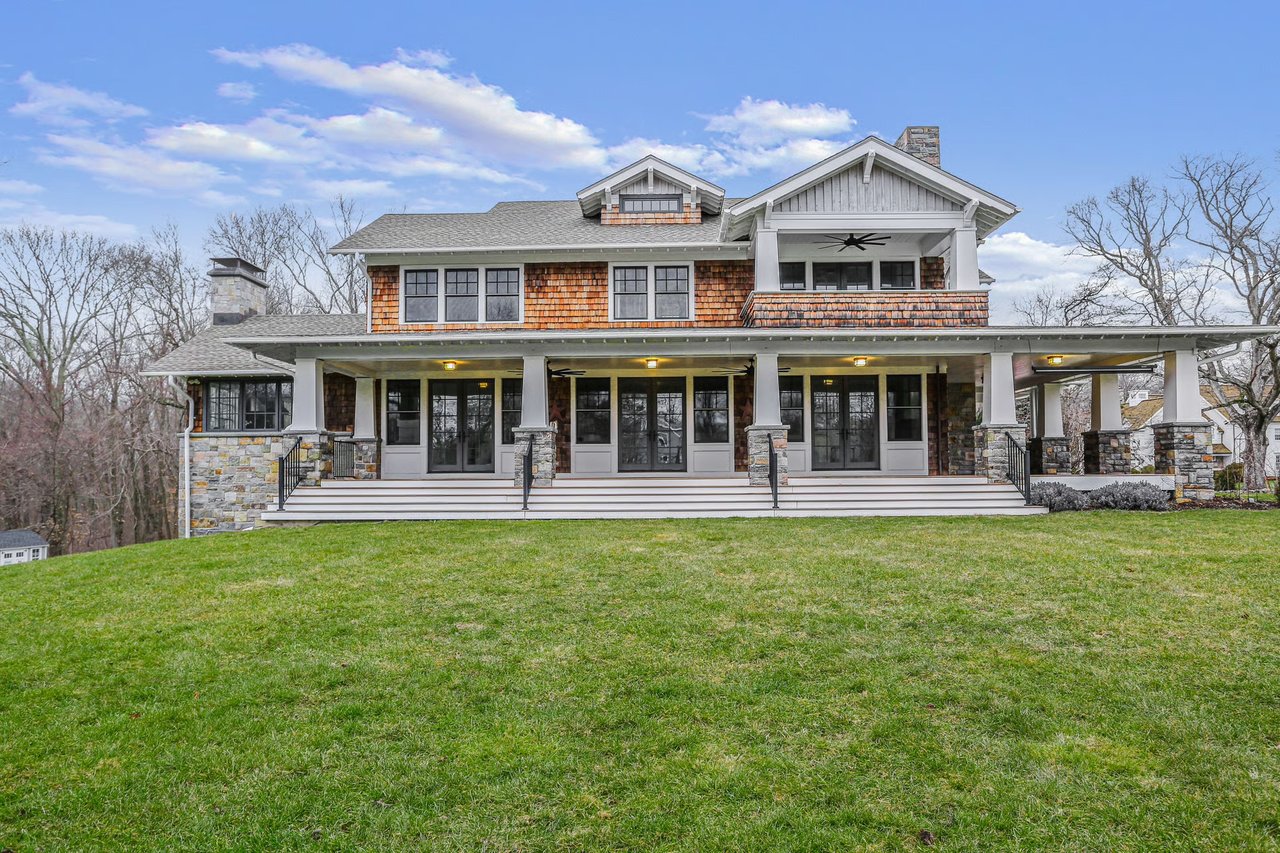
Several Q2 transactions illustrate the breadth of homes Weston buyers were willing to reward.
At 33 Cardinal Road, a 1970s home on more than two acres sold for $1,218,000, or 122% of asking price, after just 13 days on market.
At 21 Laurel Lake East, a larger 1980s home on nearly three acres sold for $1,895,000, achieving 119% of asking price after 14 days.
At 10 Cedar Road, an 1850 home sold for $2,361,000, or 113% of asking price, after only six days.
At 10 Pheasant Hill Road, a six-bedroom home built in 2000 sold for $2,475,000, achieving 125% of asking price after ten days.
At 30 Lords Highway, a 2014 home sold for $3,400,000, or 115% of asking price, after 17 days.
Those homes differed considerably in age, architecture, size, and price.
That is precisely the point.
Weston did not reward one particular version of success.
It rewarded homes that made their individual advantages easy to understand.
By contrast, several properties required substantially longer marketing periods and eventually sold below their original asking prices.
The difference was not whether buyers wanted Weston.
The difference was whether the individual property gave them a sufficiently compelling reason to choose it.
Implications for Sellers
Weston continues to offer meaningful opportunity for homeowners considering a sale.
Inventory remains constrained.
Demand remains healthy.
Buyers remain willing to compete.
But Q2 reinforced that acreage and privacy are not strategies by themselves.
Nearly every Weston home offers some version of those advantages.
The seller’s responsibility is to make the value of the entire choice clear.
Before launching, sellers should ask:
- What does our home offer that buyers cannot easily recreate elsewhere?
- Does the presentation help buyers understand how the property lives?
- Do the condition and improvements support the lifestyle we are promising?
- Does the price make the home’s individuality feel valuable—or difficult?
- Are we presenting Weston’s tradeoffs as worthwhile advantages?
Those questions matter because differentiated homes require differentiated strategies.
The objective is not to make every Weston home look the same.
It is to make what is distinctive about the home feel desirable, understandable, and worth pursuing.
Implications for Buyers
For buyers, Weston’s second quarter reinforced an equally important lesson.
The strongest homes may look very different from one another, but they often share the same underlying quality:
- They offer a clear return on the decision to choose Weston.
- When that return is obvious, competition can form quickly.
- Waiting for broad negotiating leverage may mean losing the homes that best deliver the privacy, space, setting, and lifestyle buyers came to find.
- At the same time, individuality can create opportunity.
- Some homes remain available because buyers have difficulty interpreting their value. In certain cases, that uncertainty may conceal potential. In others, it may reflect compromises that pricing has not adequately recognized.
- The challenge is determining whether a home is merely different—or meaningfully valuable.
- That distinction increasingly determines when buyers should act decisively and when patience remains the better strategy.
The Signal We're Watching
As Weston enters the second half of 2026, the most important signal is not simply whether additional inventory reaches the market.
It is whether buyers continue rewarding individuality this selectively.
If buyers begin accepting a wider range of homes simply because inventory remains constrained, the market may become more forgiving.
If demand continues concentrating around properties that present the clearest version of the Weston lifestyle, preparation, pricing, and positioning will become even more consequential.
Today, we see little evidence that buyers are becoming less discerning.
They still want what Weston offers.
They are simply becoming more precise about which homes make the choice feel worthwhile.
Closing Thought
Weston has never competed by offering buyers more of the same.
Its appeal has always been the alternative.
More privacy.
More land.
More quiet.
A different relationship with home, property, and daily life.
Throughout the second quarter, buyers demonstrated that they still valued that difference deeply.
But they did not reward every expression of it equally.
They competed for homes that transformed Weston's tradeoffs into meaningful advantages.
Buyers came to Weston to live differently.
They competed for homes that made the choice feel worthwhile.