Westport Isn’t Competing for Buyers. Homes Are Competing for Preference.
Executive Take: What the latest evidence suggests
At first glance, July appeared to be another exceptionally strong month for Westport.
Closed sales increased more than 38% compared to last year. Median sale price rose 28%. Buyers paid an average of 105.8% of asking price while homes sold nearly two weeks faster despite new listings declining almost 40%.
Those statistics describe a healthy market.
They do not explain how buyers allocated demand.
The individual transactions reveal something more instructive.
Some homes generated extraordinary competition, selling 122%, 123%, 130%, and even 135% above asking price after reaching agreement in little more than two weeks.
Others sold below asking despite competing within the same supply-constrained market.
Throughout 2026, our research has shown buyers becoming increasingly selective about where they place their confidence.
Westport revealed the next evolution of that idea.
Unlike many Fairfield County communities, Westport often offers buyers meaningful alternatives within the same price range. Buyers are no longer simply deciding whether they want to live in Westport.
Increasingly, they are deciding which Westport home deserves to be chosen over every other available option.
The defining lesson of July was not that buyers became more selective.
Fairfield County has already been teaching us that.
Westport revealed how selectivity behaves when buyers have meaningful choice.
The town wasn’t competing for buyers.
Its homes were competing for preference.
Interpretation: Why we believe the market is behaving this way
Every housing market asks buyers to answer one question:
“Is this the right home?”
Westport quietly asks a different one.
“Is this the best home?”
That distinction changes almost everything.
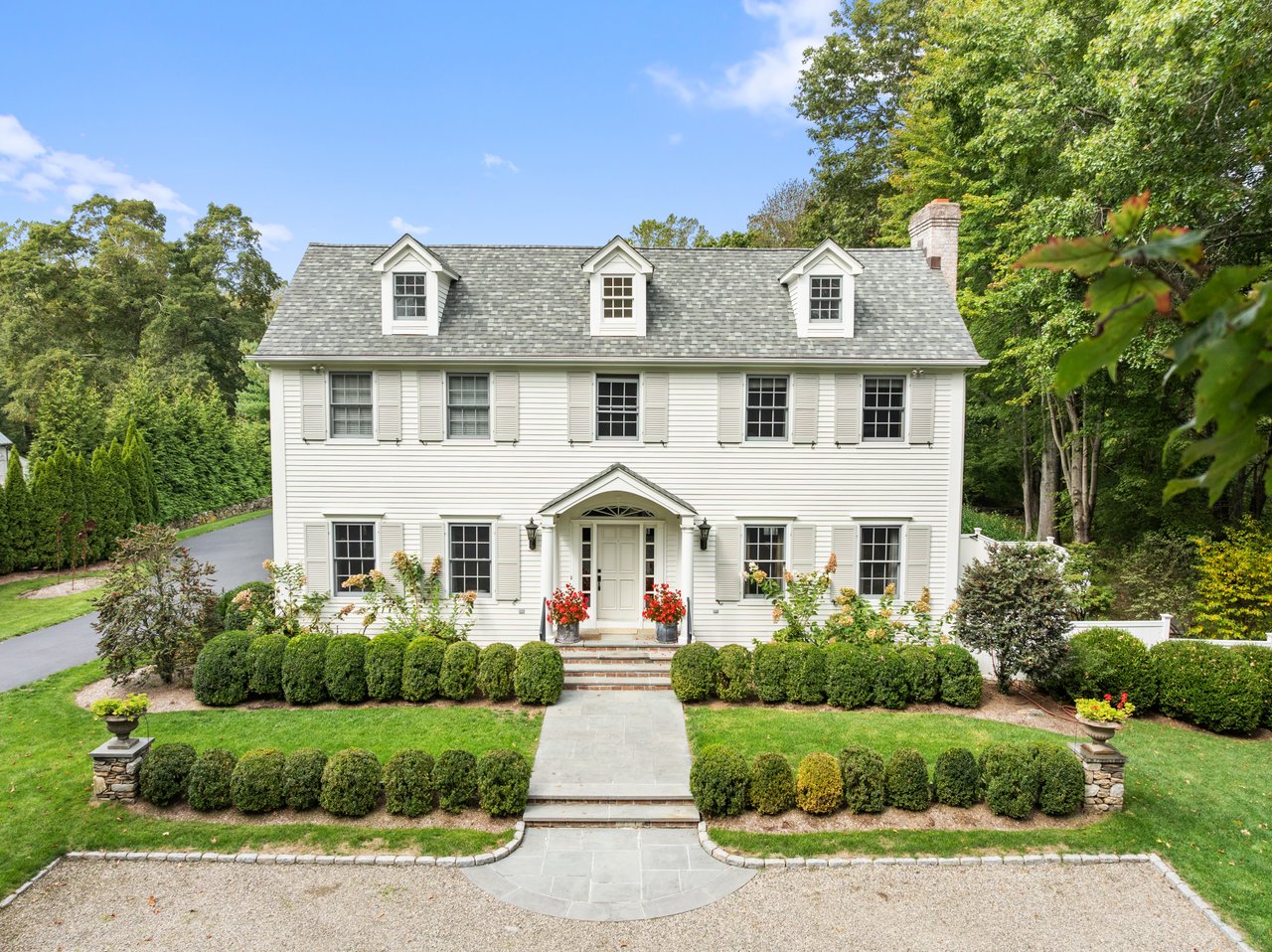
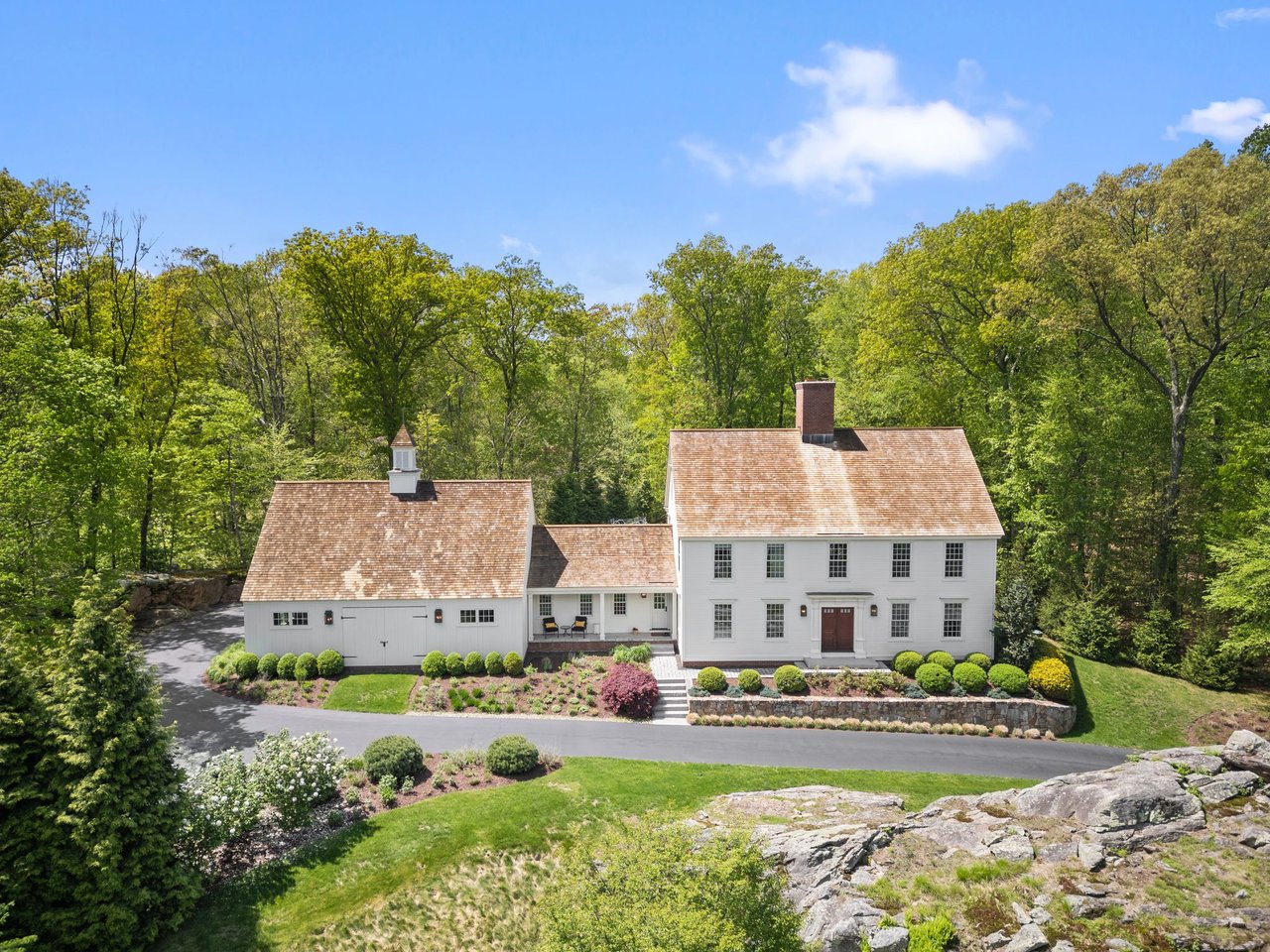
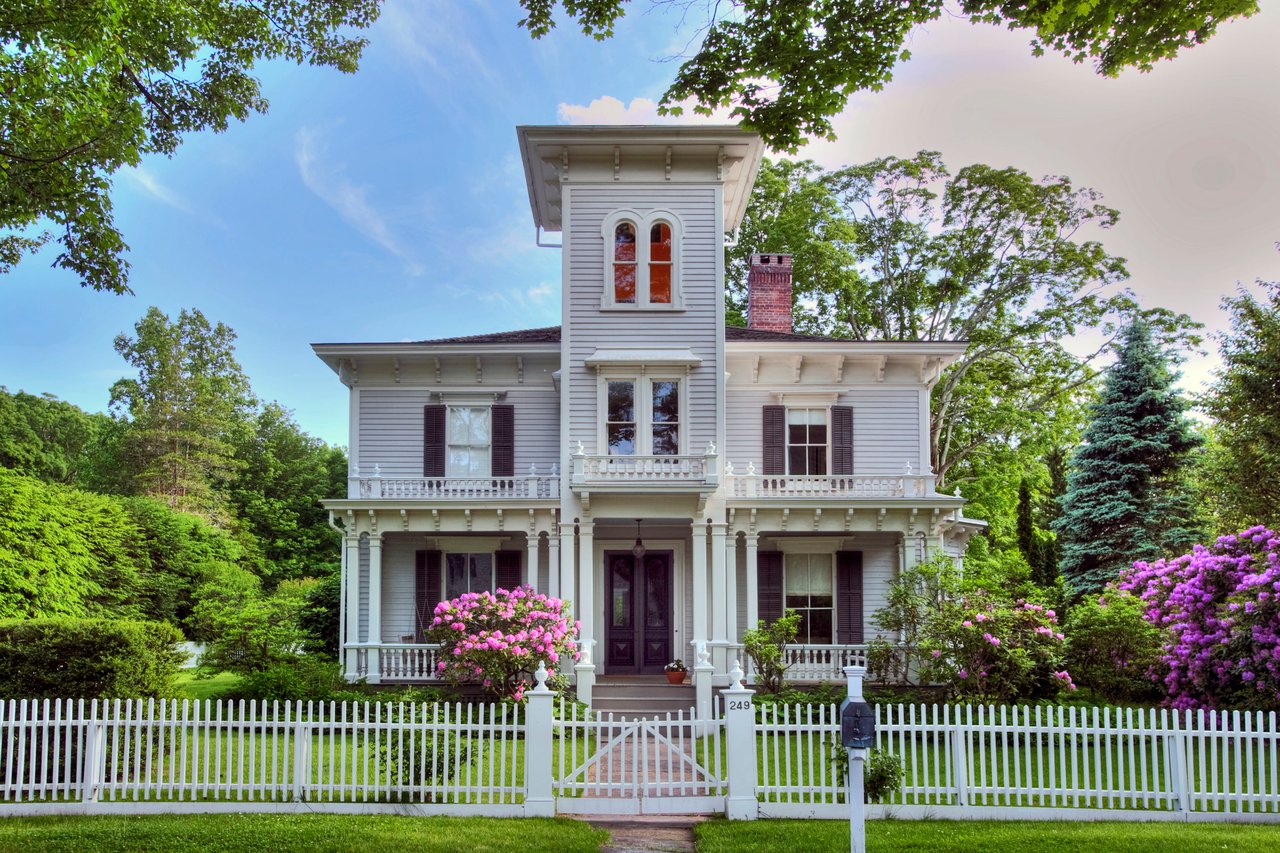
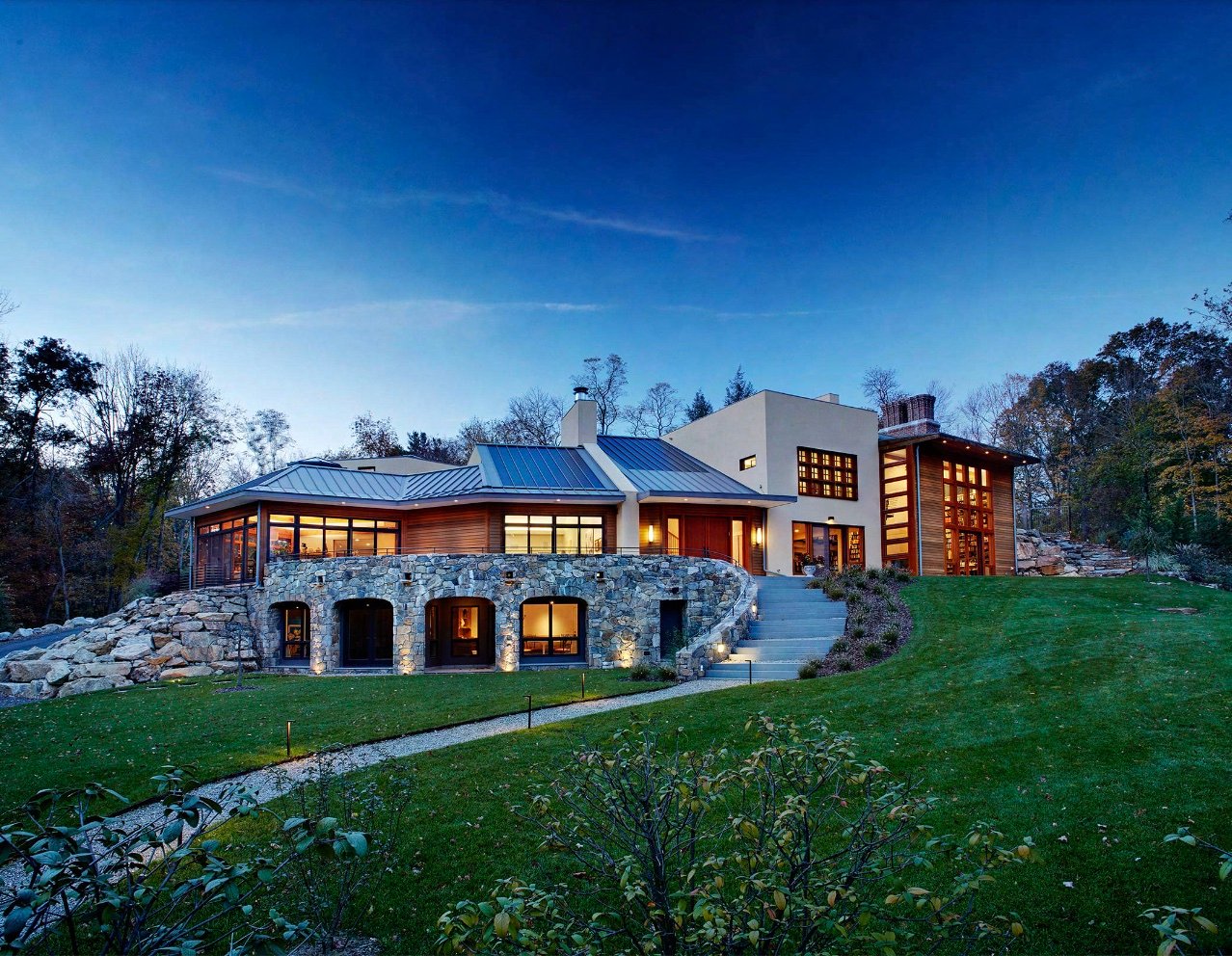
Unlike many Fairfield County communities, Westport offers extraordinary breadth within a single market. Buyers searching in the same price range may simultaneously consider new construction, historic homes, waterfront properties, in-town neighborhoods, established estates, or thoughtfully renovated colonials. Few neighboring towns present that many credible alternatives at once.
The result is subtle but important.
Westport homes are rarely evaluated in isolation.
They are evaluated against one another.
Every showing becomes a comparison.
Every listing becomes a benchmark.
Every new property entering the market quietly reshapes the perceived value of those already available.
That changes how buyers allocate demand.
Instead of asking whether a home is attractive, buyers increasingly ask whether it offers more value, a better location, stronger finishes, superior lifestyle, or greater long-term appeal than the alternatives they have already seen.
The latest closing data reflected exactly that behavior.
The strongest outcomes occurred across multiple neighborhoods, architectural styles, and price ranges. Some homes inspired immediate conviction because buyers independently reached the same conclusion: this was the strongest opportunity available.
Others asked buyers to reconcile too many trade-offs.
Not because they were poor homes.
Because buyers believed better alternatives existed.
That distinction helps explain why Westport produced both extraordinary bidding wars and meaningful negotiation despite competing within the same supply-constrained market.
The market wasn’t behaving inconsistently.
It was behaving comparatively.
Current inventory reinforces the same conclusion.
As July came to a close, Westport’s active inventory carried a median asking price exceeding $4.2 million, while July’s median closed sale remained approximately $2.65 million.
That gap does not suggest weakening demand.
It suggests buyers continue applying increasingly disciplined judgment as choices expand, particularly at higher price points.
Scarcity continues creating opportunity.
Preference increasingly determines who captures it.
Implications: How intelligent buyers and sellers should think about this
One of the easiest mistakes a homeowner can make is believing their competition is “the market.”
Increasingly, it isn’t.
It is every credible alternative a buyer is considering at the same moment.
That reality changes nearly every strategic decision.
Pricing.
Preparation.
Presentation.
Condition.
Marketing.
Each either strengthens a home’s position relative to competing opportunities or quietly weakens it.
The strongest recent outcomes were not necessarily the most expensive homes or the newest homes.
They were the homes that made buyers feel they represented the best decision available.
Our own client experience during July reinforced the same principle from the opposite perspective.
We represented buyers purchasing 22 Sturges Common after the property had originally entered the market at nearly $4.0 million before ultimately closing at $3.0 million.
The opportunity wasn’t created because demand for Westport disappeared.
It was created because disciplined valuation prevailed over an ambitious asking price.
In markets offering meaningful choice, judgment becomes an advantage.
For sellers, that means creating a home buyers consistently prefer over competing alternatives.
For buyers, it means recognizing the difference between price and value – and having the discipline not to confuse one for the other.
The Principle We’re Watching
Throughout 2026, our research has followed a consistent progression.
First, inventory declined faster than demand.
Then buyers became increasingly selective.
More recently, confidence began separating exceptional homes from everything else.
Westport suggests the next step in that evolution.
Confidence is increasingly comparative.
It is no longer enough for buyers to conclude that a home is desirable.
They increasingly ask whether it represents the strongest opportunity among every realistic alternative available to them.
As long as Westport continues offering one of Fairfield County’s deepest and most diverse luxury housing markets, we expect that comparison to become even more consequential.
Closing Thought
Westport remains one of Fairfield County’s most desirable communities.
Demand remains healthy.
Inventory remains constrained.
Competition remains meaningful.
July reinforced something more nuanced.
Homes are no longer rewarded simply because buyers want to live in Westport.
They are rewarded because buyers conclude they are the best expression of what Westport has to offer.
That distinction helps explain why one property can generate multiple offers while another, competing for many of the same buyers, follows a very different path.
Inventory creates opportunity.
Westport doesn’t ask buyers whether they want to live here.
It asks them which home deserves to win their comparison.