By Cindy Raney | Cindy Raney & Team
There is a moment — usually within the first thirty seconds of a showing — when a buyer decides how they feel about a home. They may not articulate it. They may not even be fully aware of it. But by the time they've crossed the threshold and taken in the entry, they've already formed an impression that will color everything else they see.
This is not a new insight, but it is one that sellers in the Fairfield County market consistently underestimate. Luxury buyers at this price point are not solely evaluating square footage and finishes in isolation; they are reading the home as a whole. They're picking up on proportion, light, condition, flow, and atmosphere simultaneously. When those signals are well-orchestrated, the home feels right. When they aren't, even the most architecturally significant property can feel like work.
Preparing a home for a discerning, well-prepared buyer is less about presentation and more about translation. The goal is to take a home that reflects how you live and convert it into a space that communicates the lifestyle the buyer is stepping into.
That shift requires intention, objectivity, and a clear understanding of what buyers at this level have come to expect in Fairfield County homes.
Key Takeaways
- Luxury buyers form emotional responses to a space within the first moments of arrival, and those responses are difficult to reverse.
- The entry experience, flow through the home, and quality of condition signals carry more weight than décor choices.
- Staging in the luxury market is a strategic discipline, not a decorating exercise, as even the most beautifully designed homes require editing before they go to market.
- Outdoor living is a meaningful value driver in Fairfield County homes and should be prepared with the same intentionality as the interior spaces.
- Atmosphere — lighting, temperature, quiet energy — shapes buyer memory as powerfully as any architectural feature.
First Impressions Are Formed Before the Tour Begins
Luxury buyers arrive having already done significant research. They've reviewed photography, studied the layout, and formed preliminary opinions before they ever pull into the driveway. What the showing does is either confirm or complicate those expectations, and that process begins the moment they step out of the car.
The approach to the home, the exterior condition, and the path to the front door — these are not merely peripheral details. They are the opening argument. In Fairfield County, where properties often benefit from mature tree coverage, generous setbacks, and carefully considered landscaping, the exterior has real potential to set an elevated tone. When it's in order — calm, clear, and cared for — it signals the stewardship of the entire property. When it's not, the buyer begins to take mental notes before they've seen a single interior room.
What buyers are registering in those first few moments is a cluster of impressions: openness, movement potential through the space, scale, natural light, and evidence of care. These are the foundations of their emotional responses. Everything that follows either reinforces or erodes the feeling that those first signals established.
What Buyers Are Reading Before the Showing Begins
- The condition of the exterior, including paint, hardscape, and plantings.
- The sense of arrival — whether the path to the front door feels intentional and welcoming.
- Scale and proportion, as viewed from the outside, setting expectations for the interior.
The Entry Sets the Standard for Everything That Follows
Inside, the entry does something specific: it tells the buyer what kind of home this is going to be. Buyers process it as a preview of the condition, the style, and the overall quality of the experience ahead. A well-orchestrated entry builds anticipation and intrigue.
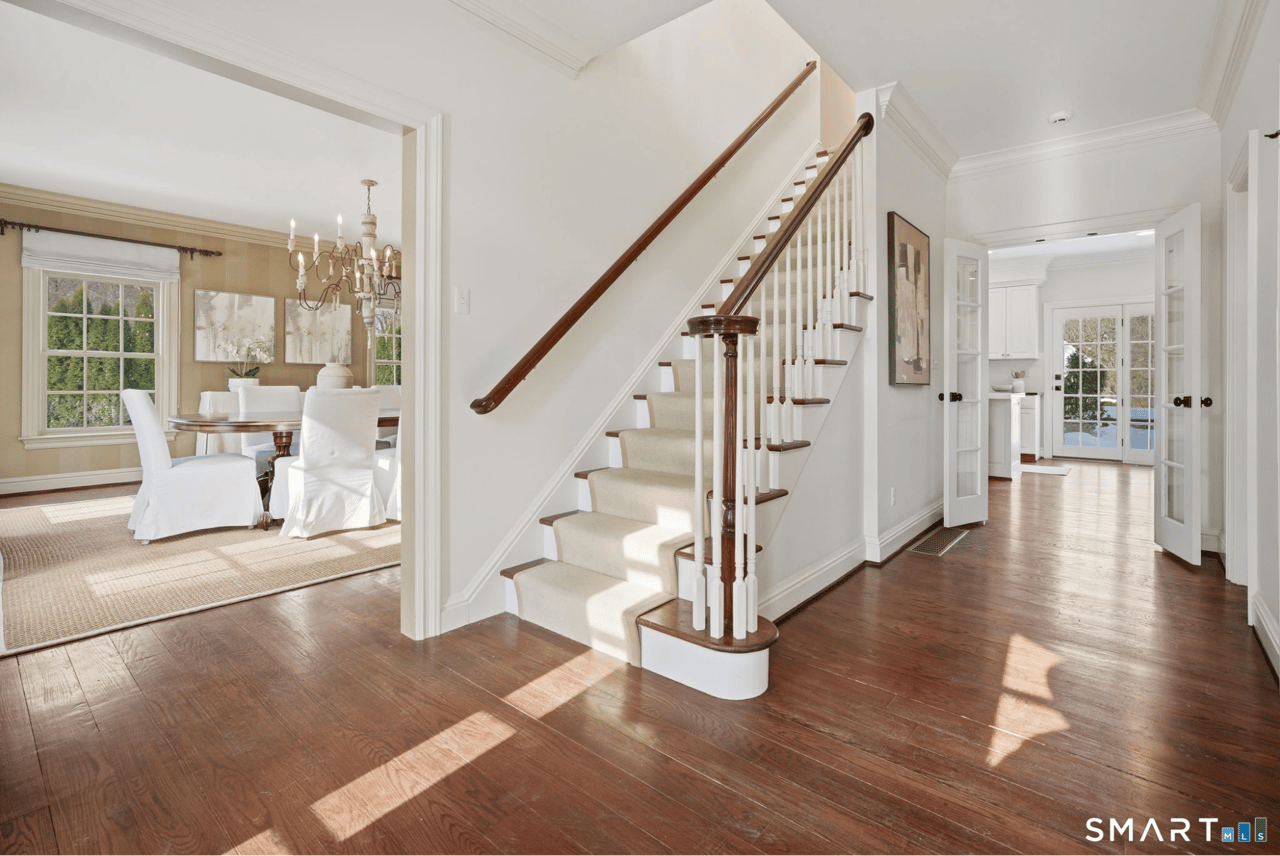
The entry experience should feel focused and elegant. Warm lighting — not bright, not dim, but warm — is one of the most effective tools in this space. Clear sightlines into the broader living areas create a sense of openness that immediately communicates generosity of scale. Restrained styling, free of personal accumulation or heavy decorative statements, lets the architecture speak for itself.
What buyers are looking for in the entry, even if they couldn't name it, is calm and spaciousness. They want to feel that the home has a clear logic to it and that it rewards the attention they're about to give it. The entry is where that contract is made.
What an Elevated Entry Communicates
- Warm, intentional lighting that sets a welcoming register without feeling theatrical.
- Clear sightlines that hint at the scale and openness of the home beyond.
- Restrained, refined styling that doesn't impose a strong personal aesthetic on the buyer.
- A sense of calm spaciousness that primes the buyer to experience the rest of the home generously.
Staging Is Strategic, Not Personal
There is a persistent misconception that staging is for homes that lack style or character. In reality, every home that goes to market is staged in some capacity.
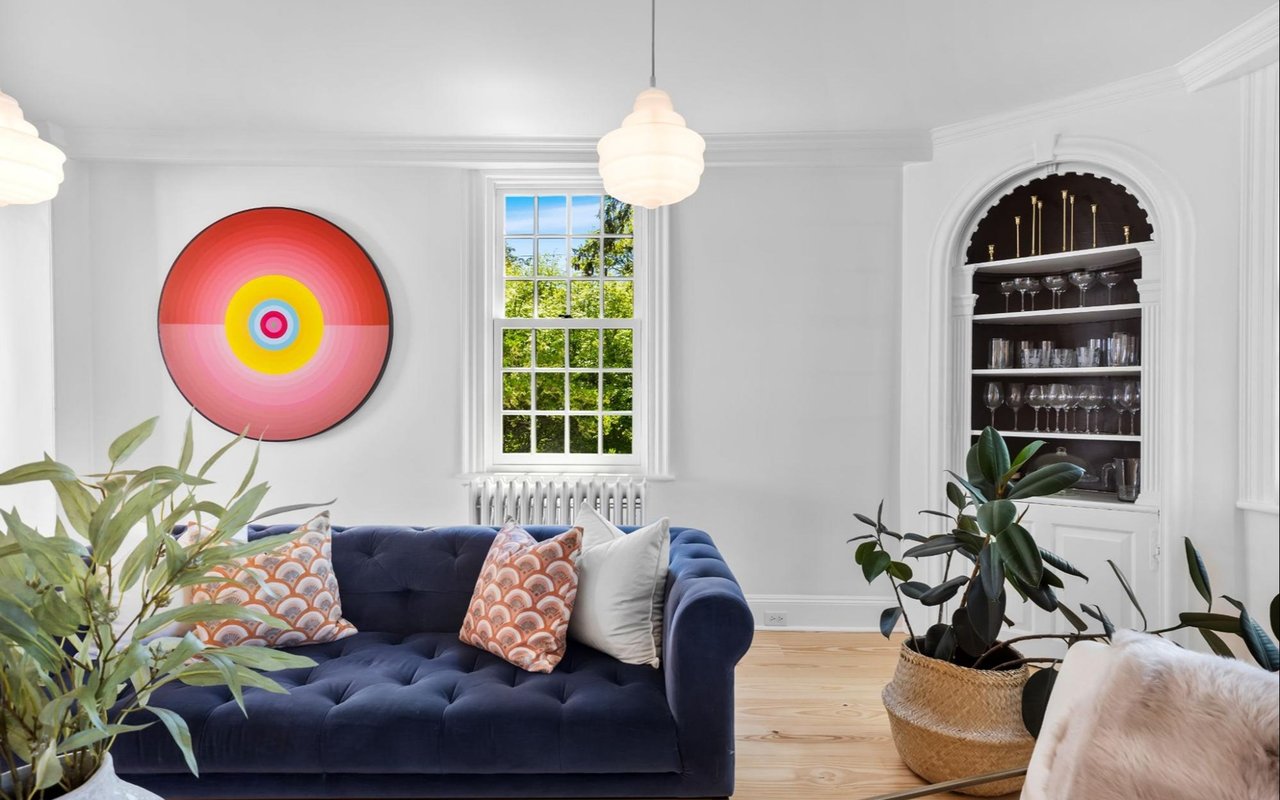
Professionally designed homes are not exempt from this process. In fact, highly personalized interiors — even beautiful ones — often require the most editing. When a home's personality is too specific, it creates a distance between the buyer and the life they're imagining there. The goal of staging is not to strip the home of all warmth and character; rather, it's to replace the current occupant's stylistic choices with something more universally resonant and more spacious with possibility.
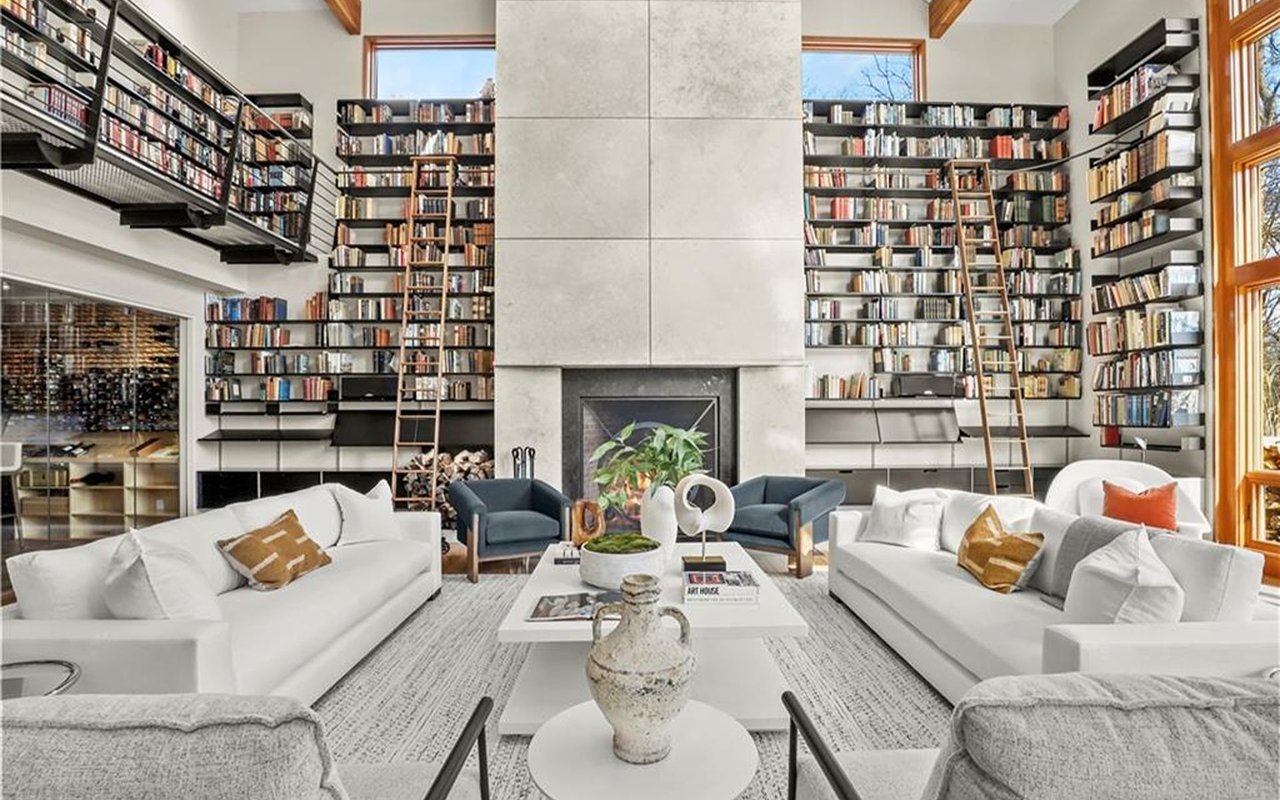
This is a meaningful distinction from how most people live in their homes. Living well in a home and presenting it for sale are two different disciplines. The furniture arrangement that works for your daily rhythm may interrupt movement during a showing. The art collection that reflects a personal history may visually compress a room that should feel expansive. The textiles that feel comfortable in daily life may read as heavy or dated under showing conditions. Neutralizing, simplifying, and refining — these are not criticisms of how someone has lived in a home; they are strategic adjustments for a specific audience with elevated expectations.
Throughout Fairfield County, luxury buyers have seen a great number of well-appointed homes. What distinguishes a showing that generates offers is not the presence of beautiful items but the clarity and coherence with which those items are arranged. Textiles, scaled furniture, and layout adjustments create alluring lifestyle cues that this buyer expects. For instance, a seating area in a primary suite, properly proportioned to the room, transforms a bedroom into a quiet retreat. Staging at this level is not addition; it is editing until only what elevates the space remains.
What Strategic Staging Accomplishes
- Shifts the home's presentation from lived-in to aspirational without sacrificing warmth.
- Neutralizes highly personal aesthetic choices that may create a disconnect with buyers.
- Draws attention to architectural features that might otherwise be visually crowded out.
- Calibrates furniture scale so rooms feel proportional and generous.
- Creates the lifestyle cues — the reading corner, the terrace vignette, the suite seating area — that buyers carry with them after the showing ends.
Flow Matters More Than Décor
Décor is what buyers see. Flow is what they feel. And in a luxury showing, feeling is everything.
When a home flows well, buyers move through it without friction or interruption. One room opens naturally to the next. The layout logic is legible. There's no piece of furniture that forces a detour and no arrangement that makes a room feel smaller than its square footage suggests. This quality of movement registers deeply — as comfort, as ease, and as the sense that the home simply works.
Preparing a home for this experience requires an honest examination of each space. Pieces that interrupt natural circulation paths should be removed, regardless of their value or aesthetic merit. Rooms that have evolved into multipurpose spaces — like the sitting room that became secondary storage — should be returned to their intended function. When architecture, scale, and furnishings are coherent, the home reads as considered rather than assembled.
Where Flow Problems Most Often Appear
- Oversized furniture in the main living areas that reduces perceived square footage.
- Transitional spaces — hallways, landings, mudrooms — that have become overflow storage.
- Rooms performing double duty that undermine the clarity of both functions.
- Furniture arrangements that interrupt or block access to outdoor spaces.
- Dining areas that feel visually disconnected from the kitchen and living flow.
Condition Signals Shape Buyer Trust
Luxury buyers are practiced observers. They know that a well-styled room can obscure a maintenance history, and they look for the details that reveal it. Paint and trim quality, flooring finish, the functionality of cabinet hardware, and the condition of mechanical spaces are not incidental details. They are the evidence buyers use to assess whether a home has been maintained proactively or reactively.
Small imperfections carry outsized meaning at this price point. Whether it’s a sticky door handle, a baseboard with visible scuffs, grout that has darkened in a tile installation, or a garage that functions as a catch-all for years of accumulated items, these issues are not catastrophic in isolation. However, together they suggest a pattern. And in a negotiation, that pattern becomes leverage.
The most practical way to get ahead of this is a pre-listing inspection. Many sellers hesitate, concerned about what they might find. A more useful frame is this: you want to go into the market with your eyes wide open. A pre-listing inspection lets you surface minor issues on your timeline, at your chosen cost, before they surface under the pressure of a contract deadline. It is one of the clearest signals of seller confidence that a listing can carry.
Condition Details That Buyers in This Market Notice
- Paint quality, particularly on trim, doors, and in high-traffic corridors.
- Flooring finish, including scratch patterns, seam separations, and grout condition.
- Hardware functionality on doors, cabinets, drawers, and windows.
- The cleanliness and order of utility spaces, including mechanical rooms and garages.
- Window condition, seal integrity, and ease of operation.
Outdoor Living Is a Value Driver, and It Should Be Staged Seasonally
In Fairfield County, outdoor living is not just a seasonal feature. It is a year-round component of a property's value, and buyers at the luxury level arrive expecting outdoor spaces to meet the same standard as the home itself.
The preparation of outdoor spaces follows the same strategic logic as interior staging: clarity of function, attention to condition, and a sense of effortless livability. Patios and decks should present as rooms, not service areas. In the spring and summer months — and through early fall — lightly staged seating zones, a well-maintained dining area, and clear, unobstructed paths from interior to exterior create an experience that extends the home's perceived scale. Strong indoor-outdoor sightlines are an asset in most properties, and they should be treated as such.
The seasonal dimension matters. A home listed in April should showcase its outdoor spaces with intention, because buyers are actively imagining themselves there. A home listed in October still benefits from a thoughtful outdoor presentation — one that communicates condition and privacy even as the landscape shifts. The outdoor staging doesn't need to be elaborate; it needs to feel considered and cared for.
How to Prepare Outdoor Spaces for a Showing
- Clear patios, decks, and pool areas of off-season or utilitarian items that detract from the lifestyle presentation.
- Stage seating zones proportionally, using furniture that complements the home's exterior character.
- Ensure all outdoor lighting functions and creates a warm, welcoming quality at dusk.
- Address deferred maintenance on fencing, hardscape, and plantings before the listing goes live.
- Confirm that the transitions between interior and exterior access points feel seamless and well-considered.
Kitchens and Primary Suites Anchor Buyer Memory
After a showing, if buyers are asked what rooms stayed with them, the answers are remarkably consistent: the kitchen and the primary suite. These spaces carry emotional weight disproportionate to their square footage. They are where the buyer's imagination most readily places itself, and they are the rooms where presentation decisions have the greatest impact on how a home is remembered.
In the kitchen, clean lines and minimal styling allow finishes and refined details to lead. Countertops cleared of everything but a few well-chosen objects, surfaces that are spotless, and an absence of visual clutter communicate the same thing: care. The kitchen should look like it has been maintained, not like it has been prepared.
In the primary suite, the goal is retreat. Soft textures, warm and layered lighting, and a seating area where the proportions support one — these transform a bedroom into something more aspirational. The details in that the primary suite — the quality of the bedding, the order of the surfaces, the sense of tranquility and calm — will stay with a buyer long after they've left the tour.
What These Rooms Should Convey
- Kitchens: precision, cleanliness, and the quality of material without visual competition.
- Primary suites: calm, warmth, and a sense of serenity and genuine retreat.
- Both spaces: a standard of care that extends to every detail within the buyer's sightline.
Atmosphere Is Not an Afterthought
A home can be beautifully staged and still feel off. The reason, most often, is atmosphere — the sensory environment that frames everything else. This is the dimension of a showing that buyers absorb without actively noticing it, but it shapes their memory of the experience as much as any specific room.
The atmosphere of a well-prepared home should feel effortless, with warm and consistent lighting throughout, a comfortable temperature that neither demands nor distracts, and a quiet calm that allows the home to speak for itself. Nothing should feel staged in the theatrical sense — no heavy staging props and no obvious performance of lifestyle.
Lighting deserves particular attention. The difference between a home that photographs well and one that feels beautiful in person often comes down to how light moves through the space at different times of day. Sheer window treatments that diffuse direct light, lamps layered alongside overhead fixtures, and careful attention to bulb warmth across all rooms create a coherence that buyers feel as comfort. Temperature is similarly straightforward but frequently overlooked — a home that is too warm or too cool introduces a subtle distraction that pulls buyers partially out of the experience. The goal is an environment where the only feature competing for the buyer's attention is the home itself.
What Atmosphere Preparation Involves
- Consistent, warm lighting throughout every room, including lower-traffic spaces that may be overlooked.
- A comfortable interior temperature calibrated for showing conditions, not daily living.
- Quiet, calm energy — no background noise, no competing stimuli, and nothing theatrical or performative.
FAQs
What Do Luxury Buyers in Fairfield County Prioritize When Touring a Home?
Beyond price and square footage, luxury buyers in Fairfield County respond strongly to condition, flow, and atmosphere. They're assessing how well the home has been maintained, how easily they can envision their life in it, and whether the quality of the spaces reflects the quality of the asking price. First impressions form quickly and resist revision; rooms that feel proportional, light-filled, and uncluttered tend to create the strongest and most durable positive responses.
Is Home Staging Necessary for Luxury Listings in Fairfield County?
In the luxury segment, staging is standard practice, not an optional add-on. Even homes with excellent design require pre-market editing because the goal of staging is clarity for the buyer, not expression for the seller. Homes that have been fully lived in — however beautifully — typically require some degree of neutralization, furniture adjustment, and styling refinement.
How Does a Pre-Listing Inspection Benefit Sellers in Westport?
A pre-listing inspection allows sellers to identify and address minor condition issues before they surface during a buyer's inspection under contract. This matters because luxury buyers interpret small maintenance details as evidence of broader patterns. Addressing them proactively removes negotiating leverage from the buyer's side and communicates that the seller has maintained the property with care and transparency. It is one of the most practical and confidence-building steps a seller can take before going to market.
Does Outdoor Staging Actually Affect Buyer Perception?
Yes, meaningfully so. In Fairfield County, outdoor living spaces are a significant component of a property's value and appeal. Buyers who encounter well-staged, clearly usable outdoor areas — patios, terraces, pool surrounds, garden spaces — tend to carry a stronger overall impression of the property. The outdoor presentation reinforces the sense of a complete, well-maintained home and extends the lifestyle narrative that the interior promises.
The Impression You Make Is the Offer You Receive
There is a direct line between how a home presents and how it performs. Buyers in the Fairfield County market are experienced, deliberate, and attuned to quality in ways that are both conscious and instinctive. When a home is prepared with that buyer in mind — when every space communicates care, clarity, and effortless livability from the moment of arrival — the showing itself becomes part of the case for value.
The work of preparing a luxury home for sale is not about transformation for its own sake. It's about closing the distance between what the home is and what a buyer can see it becoming. When that distance closes, decisions move more quickly, conversations go differently, and outcomes reflect what the property is actually worth.
If you're thinking about selling in Westport, Fairfield, or anywhere in Fairfield County, our team would be glad to walk through your home and help you understand exactly what buyers will see when they arrive. Reach out to us at Cindy Raney & Team when you're ready — that first conversation is where the real preparation begins.
*Header photo courtesy of Cindy Raney & Team | 1380 Old Academy Road, Fairfield